When it’s time to replace your system in South Florida, one of the first questions on the quote is whether you want a heat pump or a straight air conditioner with an electric heat strip. In summer, both cool your home the same way. The difference shows up on those January mornings when you want some heat, and in how the system is built and priced.
If you are still weighing a heat pump vs air conditioner for your Palm Beach County home, the sections below go deeper on daily comfort, running costs, repairs and the questions worth asking before you sign.
Here’s a clear comparison for Palm Beach County homeowners.
How each system works
Straight AC with heat strips
A standard air conditioner only moves heat one way: out of your home. For heating, the indoor air handler has an electric resistance heater (a “heat strip”), which works much like a toaster element. It’s simple and reliable, but resistance heat uses a lot of electricity for the warmth it produces.
Heat pump
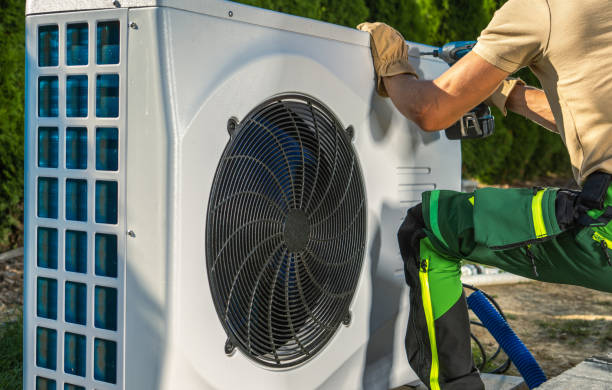
A heat pump is an air conditioner that can run in reverse. A reversing valve lets it pull heat from the outdoor air and move it inside. In mild weather it delivers far more heat per unit of electricity than a heat strip. Most heat pumps in Florida also have a backup heat strip for the occasional cold snap or for defrost cycles.
Side-by-side comparison
| AC + heat strip | Heat pump | |
|---|---|---|
| Cooling performance | Same | Same |
| Heating efficiency | Low (electric resistance) | High in mild weather |
| Upfront cost | Usually a bit lower | Usually a bit higher |
| Parts that can fail | Fewer | Adds reversing valve and defrost controls |
| Runs year-round | Mostly in cooling | In cooling and heating |
| Best for | Homes that almost never use heat | Homes that use heat regularly in winter |
Which makes more sense in Palm Beach County?
South Florida winters are short and mild, so heating is a small share of most households’ energy use. That means the efficiency advantage of a heat pump matters less here than it would in Georgia or the Carolinas, but it’s not zero.
A heat pump is often the better choice if:
- You turn the heat on regularly on winter mornings and evenings
- Someone in the house is sensitive to cold (older family members, young children)
- You plan to stay in the home for many years
- Your current system is already a heat pump and the house is set up for it
A straight AC with heat strip can make sense if:
- You rarely or never use heat
- Budget is tight and the upfront difference matters
- It’s a rental, a seasonal home, or a home you’ll sell soon
In many newer equipment lines the price gap is modest, and plenty of Florida homeowners choose a heat pump for the flexibility. We’ll give you both prices so you can decide.
Efficiency ratings to compare
Both systems carry a SEER2 rating for cooling. Heat pumps also carry an HSPF2 rating for heating efficiency. New heat pumps installed in Florida must meet at least 14.3 SEER2 and 7.5 HSPF2. Our guide to SEER2 ratings in Florida explains how to choose an efficiency level.
Common questions about heat pumps in Florida
Do heat pumps work in Florida winters?
Yes. Heat pumps lose efficiency as outdoor temperatures fall toward freezing, but Palm Beach County rarely gets that cold. The backup heat strip covers the few colder nights.
Why does my heat pump blow cool air or steam in winter?
Heat pumps periodically run a defrost cycle, briefly switching to cooling mode to melt frost off the outdoor coil. You may see steam from the outdoor unit. That’s normal. If your heat pump isn’t heating at all, see heat pump not heating.
Do heat pumps cost more to maintain?
Maintenance is nearly the same: the same twice-yearly tune-ups, filters and drain care. A heat pump has a reversing valve and defrost controls that can occasionally need repair. See our AC maintenance service.
Can I switch from AC to a heat pump?
Usually yes, during a replacement. The thermostat and some wiring may need updating, which is part of a normal installation.
Other options worth knowing
- Ductless mini split heat pumps for additions, garages and single rooms. Read about mini splits in Boynton Beach.
- Variable-speed heat pumps, which are among the most efficient options and excellent at humidity control.
Replacing your system? Get both options quoted
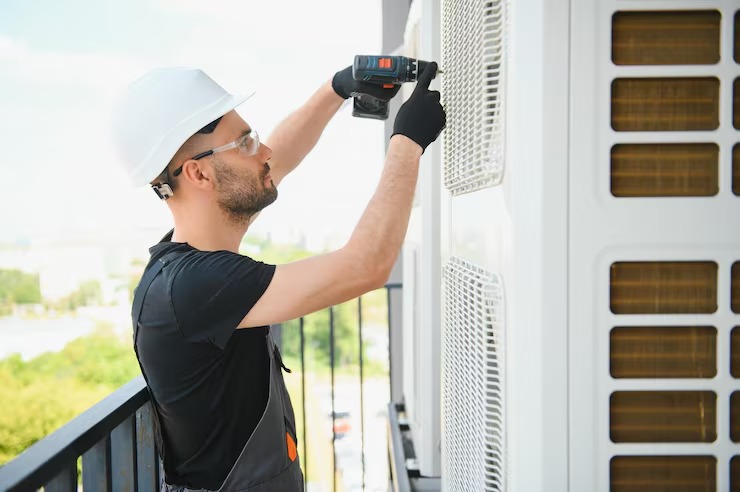
We install heat pumps and air conditioners across Boynton Beach and Palm Beach County, sized properly with a load calculation and explained in plain terms. Cold Chillin Air Conditioning is licensed (CAC 1823036) and owner-operated. Call (561) 318-1882 or request a free estimate. See our AC installation service and our AC replacement page.
Heat pump vs air conditioner: what changes in everyday life
On paper, the two sides of the heat pump vs air conditioner comparison look almost identical, and for nine or ten months of the year they behave the same way. The outdoor unit, the indoor air handler, the copper lines and the ductwork all do the same job in cooling mode. What changes is how the system responds on the handful of cool mornings we get each winter, how the thermostat is wired, and which parts can wear out over the years.
Most homeowners never notice the heat pump vs AC difference in July. You will notice it in January, when one system quietly warms the house with outdoor heat and the other turns on a big electric heater in the air handler. You may also notice it years later, when a repair involves a part that only one type of system has.
So the real heat pump vs AC question in South Florida is not which one cools better. They cool the same. It is how often you use heat, how long you plan to own the home, and how much you value a little extra flexibility for a modest difference in price.
How a typical South Florida winter plays out with each system
Picture a cold front that pushes through Boynton Beach and drops the overnight low into the 40s or 50s for two or three days. Here is how the heat pump vs air conditioner difference plays out in that situation.
With a straight AC and heat strip
You switch the thermostat to heat. The outdoor unit stays off. The air handler energizes its heat strip, which glows hot like an oven element, and the blower pushes that warmth through the ducts. It heats quickly and reliably. You may smell a little dust burning off the first time it runs each season, which is normal and should fade within minutes.
With a heat pump
You switch the thermostat to heat. The outdoor unit starts up, the reversing valve flips the refrigerant flow, and the indoor coil becomes the warm side of the system. The air from the vents feels warm rather than hot, often closer to body temperature, so the house warms more gradually. If it gets cold enough or you ask for a big jump in temperature, the backup heat strip helps out. Every so often the outdoor unit pauses to defrost, and you may hear a whoosh and see a little steam.
In a heat pump vs AC comparison, neither experience is better or worse. Some people like the quick blast of a heat strip, and others prefer the gentle, steady warmth of a heat pump. Knowing what to expect helps you choose a heat pump or air conditioner with no surprises later.

Running costs: where the heat pump vs AC difference shows up
Whether you pick a heat pump or air conditioner, your summer FPL bill will look about the same at the same efficiency rating, because both cool the same way. The difference in operating cost comes almost entirely from heating. A heat strip turns electricity directly into heat. A heat pump moves heat that already exists outdoors, which takes much less electricity in mild weather.
In practice, that means the heat pump vs air conditioner savings depend on your habits. A household that runs the heat most winter evenings will see a noticeable benefit. A household that turns the heat on twice a year will barely see a change. If you want a rough sense of your own usage, look at your FPL bills from December through February and compare them with a spring month like April, when neither heat nor much cooling runs.
Efficiency ratings also matter. A higher SEER2 rating cuts cooling costs on either side of the heat pump vs air conditioner choice, and that is where most South Florida energy goes. Our guide on choosing a SEER2 level for Florida walks through that decision, and our tips to lower your FPL bill in Boynton Beach cover habits that save money no matter which system you own.
Humidity, comfort and noise
Humidity control has more to do with how the system is sized and what kind of compressor it has than with the heat pump vs AC label. A correctly sized two-stage or variable-speed system runs longer, slower cycles and pulls more moisture out of the air. That is true for heat pumps and straight air conditioners alike.
Noise is similar too. In cooling mode, there is little heat pump vs AC difference in sound when the equipment is of similar quality. In heating mode, a heat pump outdoor unit runs during the winter, and defrost cycles can make an occasional hiss or click. If your outdoor unit sits under a bedroom window, mention it during the estimate so placement can be considered.
If your current home feels sticky even when it is cool, the fix is usually sizing, airflow or equipment type. Our article on AC humidity problems explains the most common causes, and our page on sizing an AC unit for a Florida home covers why bigger is not better.
Repairs and wear over the years
Over 10 or 15 years, this is where the heat pump vs air conditioner comparison gets more practical. A heat pump has a few parts a straight AC does not: a reversing valve, a defrost control, and sometimes additional sensors on the outdoor coil. These parts are reliable, but more parts means more things that can eventually need attention. A straight AC with a heat strip is a little simpler on the outdoor side, while its heat strip, sequencer and limit switch in the air handler can also wear out over time.
Heat pumps also run a few more hours per year because they handle heating as well as cooling. In South Florida that extra time is small compared with our long cooling season, so it rarely changes how long a system lasts. Salt air, maintenance, installation quality and drain care matter far more. Our article on how long an AC unit lasts in Florida covers what really shortens equipment life here.
If you live near the Intracoastal or the beach, ask about coil protection and placement whether you choose a heat pump or air conditioner. Corrosion on the outdoor coil is one of the biggest threats to equipment along the coast.

Thermostat setup makes a big difference
A heat pump needs a thermostat that understands heat pumps. Settings like the reversing valve type, auxiliary heat and emergency heat must be configured correctly. If they are not, the system can run the expensive heat strip far more than it should, which wipes out the savings that made the heat pump worth choosing.
- Auxiliary heat (AUX): turns on automatically when the heat pump needs help. Seeing it briefly on cold mornings is normal.
- Emergency heat (EM HEAT): runs only the heat strip and locks out the heat pump. Use it only if the outdoor unit has failed, then call for service.
- Small temperature changes: raising the setpoint a few degrees at a time keeps a heat pump from calling for backup heat it does not really need.
With a straight AC, heating is simpler: the thermostat turns on the heat strip, and that is it. If you are switching sides in the heat pump vs AC decision during a replacement, the thermostat settings should be checked as part of the installation, not left on the old configuration.
Heat pump vs air conditioner for condos, rentals and older homes
The right choice often depends on the kind of property you own. Here is how the heat pump or air conditioner decision usually plays out in common Palm Beach County situations.
Condos and townhomes
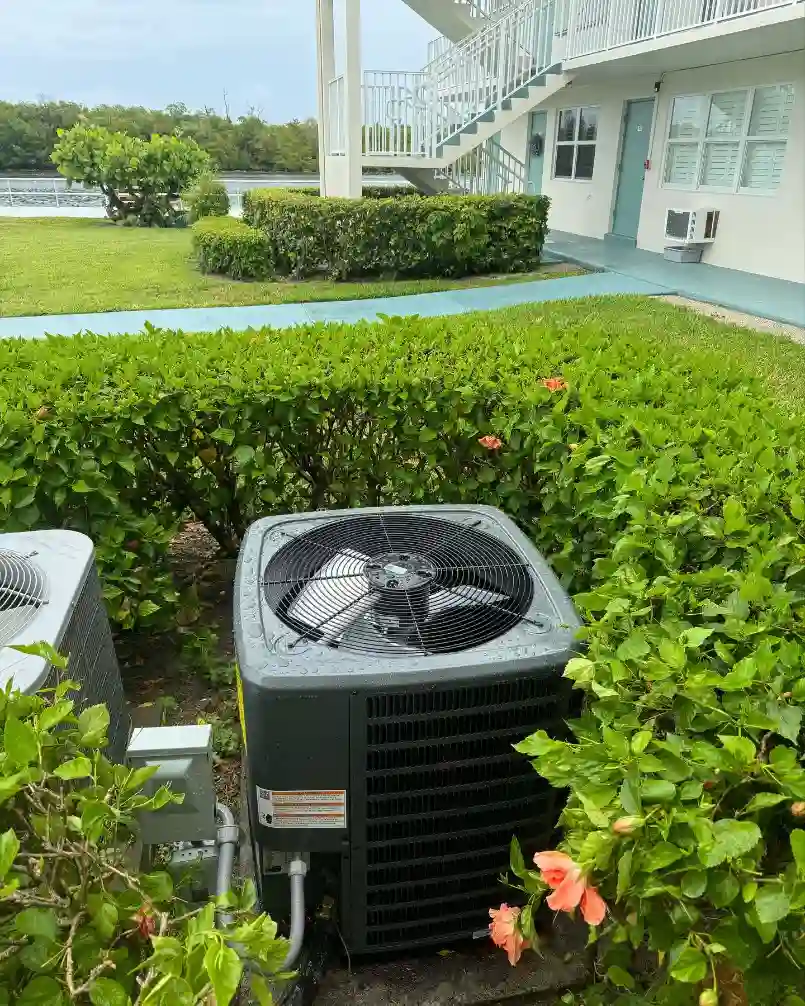
Many condos already have a heat pump, and building rules can affect where the outdoor unit sits and what size equipment fits. Replacing like for like is often the simplest path. Our guide to condo AC replacement in Palm Beach County covers the extra steps, such as association approval and access.
Older single-family homes
In older homes, the ductwork, electrical panel and air handler location matter as much as the heat pump vs air conditioner question itself. If the existing heat strip is large, a heat pump can sometimes use a smaller backup strip, which may ease the load on an older electrical service. That is something a contractor should confirm on site, not guess at.
Rentals and seasonal homes
If the home is empty or rented for much of the winter, heat use is usually low, and a straight AC with a heat strip is often enough. If tenants or family members are sensitive to cold, a heat pump or air conditioner with a properly sized heat strip will both keep them comfortable, so focus on reliability and efficiency.
Questions to ask before you choose a heat pump or air conditioner
A good quote should make the heat pump vs AC trade-offs easy to understand. Before you decide, ask your contractor these questions and expect clear answers.
- What is the heat pump vs air conditioner price difference for my home, with the same efficiency and brand?
- Was a load calculation done, or is the size based on my old unit?
- What size backup heat strip is included, and does my electrical panel support it?
- Will my thermostat work with a heat pump, or does it need to be replaced or reconfigured?
- Is the equipment single-stage, two-stage or variable-speed, and how will that affect humidity?
- Where will the outdoor unit go, and does the location work for salt air, flooding or noise?
- What does routine maintenance look like for each option?
When we quote a replacement, we price the heat pump vs AC options side by side so you can compare them fairly. You get the price before any work begins, and an honest explanation of which one fits the way you live. You can see how the installation process works on our AC installation page.
How to tell which type of system you have now
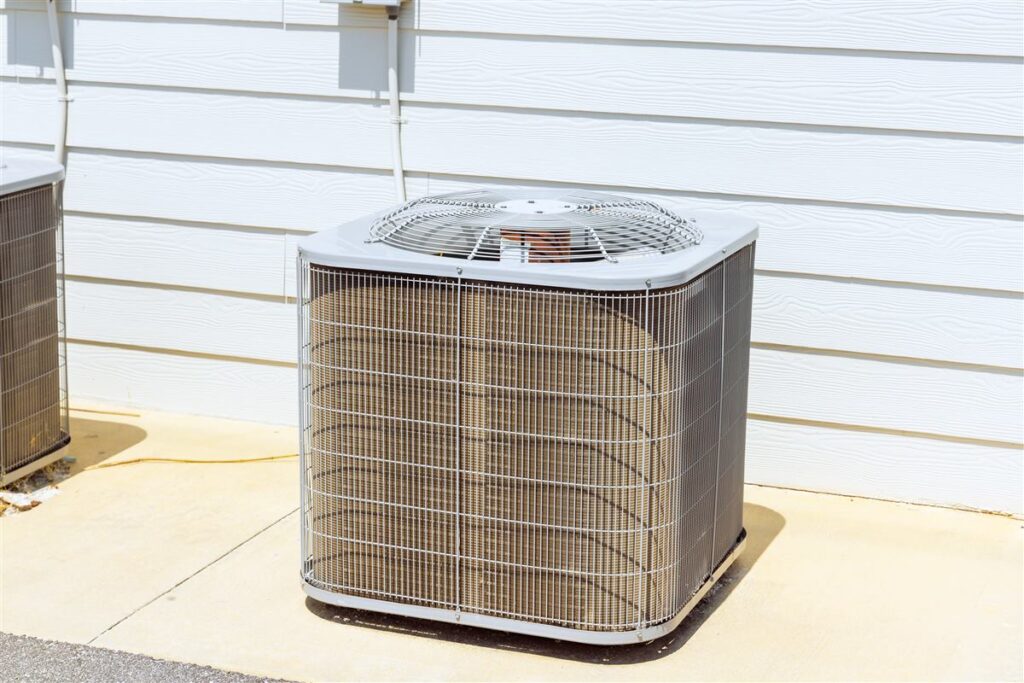
Many homeowners are not sure whether they already own a heat pump. Knowing helps when you compare heat pump vs AC quotes, because switching types can change wiring and thermostat setup. A few quick clues:
- Your thermostat has an EM HEAT or AUX HEAT setting. That usually points to a heat pump.
- The outdoor unit runs when the heat is on. With a straight AC, the outdoor unit stays off in heating mode.
- The label on the outdoor unit says heat pump, or the model number includes a code the manufacturer uses for heat pumps.
- You have seen steam coming off the outdoor unit on a chilly morning, which is a defrost cycle.
If you still are not sure, a technician can tell during a routine maintenance visit. It is also a good time to check whether the existing system is near the end of its life, which can help you plan the heat pump or air conditioner decision instead of making it in a hurry after a breakdown.
More heat pump vs air conditioner questions
Does a heat pump need different maintenance in Florida?
The basics are the same: clean filters, clear drain lines, clean coils and electrical checks. During a heat pump tune-up, a technician will also test heating mode, the reversing valve and the defrost controls. Our AC maintenance service covers you whether you own a heat pump or air conditioner, and a service agreement plan keeps those visits on schedule.
Is one type better during hurricane season?
Not really. In the heat pump vs air conditioner debate, storms are a draw. Both have an outdoor unit that needs the same storm preparation, and both need power to run. If you rely on a generator after a storm, ask about starting loads, because a large heat strip draws a lot of power if someone turns on the heat. Our guide on protecting your AC during a hurricane covers what to do before and after a storm.
Will the refrigerant change affect my choice?
New equipment from major brands now uses newer refrigerants, and that applies to heat pumps and air conditioners alike. It may affect the price and the parts used, but it should not tip the heat pump vs AC decision one way or the other. Our post on the R-410A phase-out explains what it means for homeowners.
Can I keep my old air handler and just change the outdoor unit?
In most cases, the indoor and outdoor units should be replaced together so they are matched for efficiency and reliability. Mixing an old air handler with a new outdoor unit often leads to poor performance. This matters whether you choose a heat pump or air conditioner.

Getting a clear answer for your home
There is no single right answer to the heat pump vs AC question in South Florida. For many families the heat pump is worth it for flexibility and lower winter bills. For others, a simple air conditioner with a heat strip does everything they need. The best heat pump or air conditioner choice comes from looking at your home, your habits and your budget together.
Cold Chillin Air Conditioning is owner-operated and based in Boynton Beach, working on Carrier, Trane, Lennox, Rheem, Goodman and other major brands. If you are ready to compare options, see our AC replacement service or contact us to schedule a visit, and we will walk you through the heat pump vs air conditioner trade-offs in plain terms.
Want to see recent jobs and seasonal AC tips? Follow Cold Chillin on our Facebook page.