
Ductless Mini Split AC in Boynton Beach: What You Need to Know Before You Install
Mini split AC installation in Boynton Beach is one of the best ways to enjoy energy-efficient cooling without the need for ductwork. At Cold Chillin Air Conditioning, we provide professional mini split AC installation in Boynton Beach, helping homeowners and businesses stay comfortable with reliable, same-day HVAC solutions.
What Is a Ductless Mini Split?
A mini split is a two-part cooling system: a compact indoor air handler mounted on the wall (or ceiling), connected via refrigerant lines to a small outdoor compressor unit. No ductwork needed.
If you are weighing a mini split for a hot room or a whole home, the sections below go deeper into system choices, placement, humidity control and long-term care in South Florida.
You can cool a single room, a garage, or add multiple indoor units to one outdoor compressor to handle several spaces — this is called a multi-zone system.
Why Mini Splits Make Sense in Florida
They Were Designed for Climates Like Ours
Mini splits are the dominant cooling technology in hot, humid parts of Asia, Europe, and South America. Florida’s heat and humidity is exactly the environment they’re engineered for.
High SEER2 Ratings = Lower FPL Bills
Most modern mini splits carry SEER2 ratings of 18–25 or higher. Florida’s standard central AC systems typically run at 15–18 SEER2. That efficiency gap shows up on your FPL bill every month.
No Duct Losses
In Florida homes with attic-mounted ductwork, studies have found that 20–30% of conditioned air can be lost through duct leaks before it even reaches the room. A mini split delivers air directly — nothing wasted in transit.
Zoned Control
Each indoor unit has its own thermostat. The garage doesn’t need to be 72°F if it’s empty. The back bedroom can run cooler without cooling the whole house.
Best Uses for a Mini Split in Palm Beach County
Room additions and sunrooms — Adding square footage without extending ductwork is the classic mini split use case. The Florida room that never got properly connected to the central system is the perfect candidate.
Garages and workshops — Whether you’re doing woodworking, working out, or just tired of sweating while you work on the car, a single-zone mini split cools a two-car garage effectively.
Bonus rooms over garages — These are notoriously difficult to cool with a central system because heat rises through the garage ceiling. A mini split solves the problem directly.
Rental units and guest suites — A mini split gives a separate space independent climate control without splitting the thermostat of the main house.
Older homes without ductwork — Some Boynton Beach-area homes from the 1950s and 60s were built without central air. A multi-zone mini split system can cool the entire house without a duct retrofit.
How Much Does Mini Split Installation Cost in Boynton Beach?
Pricing depends on the number of zones, BTU capacity, brand, and how much line-set work is needed to connect the indoor and outdoor units.
| System Type | Typical Installed Cost (Palm Beach County) |
|---|---|
| Single-zone (1 room) | $1,800 – $3,200 |
| 2-zone system | $3,000 – $5,500 |
| 3-zone system | $4,500 – $7,500 |
| 4+ zone system | $6,000 – $10,000+ |
These are general ranges — a short line-set run through an interior wall is simpler and cheaper than running lines around the exterior of the house or through conditioned space.
Which Mini Split Brands Are Best for Florida?
The Florida climate is hard on equipment. Heat, humidity, salt air near the coast, and near-year-round operation put systems to the test.
Brands our techs see holding up best in Palm Beach County:
- Mitsubishi — Consistently the top performer for reliability and quiet operation. Their Hyper-Heat units also provide efficient heating if needed. Premium priced, worth it.
- Daikin — Built in Japan, with a Florida-specific model line. Excellent efficiency ratings and strong warranty support.
- LG — Good mid-range option with solid SEER2 ratings and available parts.
- Carrier / Bryant — Familiar brands from a service standpoint, with decent options in the ductless space.
What to avoid: The ultra-cheap brands sold on Amazon or at big box stores. They look identical to the name-brand units on the spec sheet, but the compressors and electronics are a different story. In a Florida climate running 10+ months a year, they tend to fail in year two or three — and getting parts is a nightmare.
What the Installation Process Looks Like
- Site assessment — A tech evaluates the space, measures the room or zone, and determines proper BTU sizing. Oversizing a mini split is just as problematic as undersizing it.
- Line set routing — Refrigerant and electrical lines are run between the indoor handler and the outdoor compressor. This is typically done through the wall and along the exterior.
- Mounting the indoor unit — The air handler is mounted on the wall (usually high on an exterior wall for best airflow) and connected to the line set.
- Outdoor unit placement — The compressor goes on a pad or wall bracket, in a shaded location if possible.
- Electrical connection — Mini splits run on dedicated circuits. Your electrical panel needs a properly sized breaker — this is included in a proper install.
- System startup and commissioning — The tech checks refrigerant charge, tests all functions, and confirms the system is operating at rated efficiency.
Do You Need a Permit for Mini Split Installation in Florida?
Yes. In Palm Beach County, mini split installation requires a mechanical permit. Any licensed HVAC contractor (CAC license) pulling the permit is responsible for ensuring the installation meets Florida Building Code. If a company offers to skip the permit to save you money — that’s a red flag, not a deal.
Cold Chillin Air Conditioning (CAC 1823036) handles all permitting for mini split installations in Boynton Beach and surrounding Palm Beach County areas.
Mini Split or Central AC: Which Is Right for Your Home?
Ductless equipment is not the answer for every house. If your home already has a central system with ducts in good shape, replacing that system is often simpler than switching to ductless. Where a ductless AC really shines is in spaces the central system cannot reach well, or in homes where adding or fixing ducts would be costly and messy.
Here is a quick way to think about it:
- Central AC is usually better when the home has decent ductwork, you want one thermostat for the whole house, and you prefer hidden equipment with only vents showing.
- Ductless is usually better when you are cooling an addition, a garage or a converted space, when one room is always hot, or when the home has no ducts at all.
- A mix of both is common. Many Palm Beach County homes keep their central system and add a single ductless unit for the room that never keeps up.
If one room in your house is always warmer than the rest, it is worth finding out why before you buy anything. Our guide to uneven cooling and hot rooms covers the common causes, and sometimes a duct fix solves it.
Single-Zone or Multi-Zone?
A single-zone system pairs one outdoor unit with one indoor unit. A multi-zone system connects several indoor units to one larger outdoor unit. Each approach has trade-offs.
Single-zone strengths
Each room has its own outdoor unit, so a breakdown affects only that room. Each pair can be sized precisely for its space, and adding another zone later is simple. The downside is more outdoor equipment on the side of the house.
Multi-zone strengths
One outdoor unit means a cleaner look outside and less wall space used. It can make sense for whole-home ductless setups. The trade-off is that if the outdoor unit fails, every room on it loses cooling. Zones also need to be planned carefully so the outdoor unit is not oversized for the rooms that run most often.
Some homeowners combine the two, with a multi-zone setup for bedrooms and a separate single-zone unit for a garage or workshop that runs on a different schedule.
If you are not sure which layout suits you, start with the room that bothers you most. A single ductless AC in the worst room often shows how well the technology works for your family before you commit to more zones. Adding a second ductless heat pump later is usually straightforward when the first install is planned with that in mind.
Indoor Unit Styles to Know About
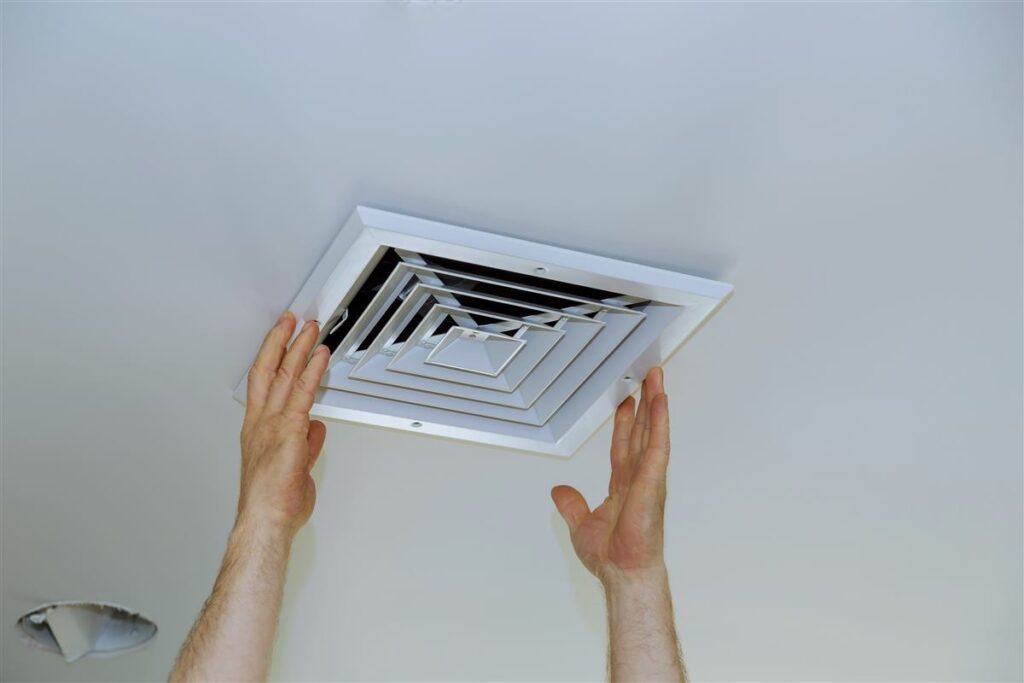
Most people picture the white wall-mounted head, but there are several styles of indoor unit. The right one depends on the room and how much you want the equipment to show.
- High-wall units. The most common and usually the most affordable. Mounted high on a wall, they blow air across the room.
- Ceiling cassettes. Set into the ceiling with air blowing in several directions. They need space above the ceiling.
- Floor consoles. Mounted low on the wall, useful under windows or in rooms with sloped ceilings.
- Slim ducted units. Hidden in a soffit or closet with short ducts to one or more rooms. A good option when you want a ductless heat pump without a visible wall unit.
Ask to see the actual dimensions of the model you are considering, and think about furniture, artwork and curtains before choosing a spot.
Sizing a Mini Split for a Florida Room
Bigger is not better. An oversized unit cools the room quickly, shuts down before it removes much moisture, and leaves the space cold and clammy. In South Florida, that clamminess is often the number one complaint about ductless systems that were sized by guesswork.
A proper sizing looks at more than square footage:
- How many windows the room has, and which direction they face.
- Whether the ceiling is under a hot attic or a flat roof.
- How well the walls and ceiling are insulated.
- How many people use the room and what equipment runs in it, like a TV, computers or a garage freezer.
- Whether the space is open to other rooms.
Florida rooms and sunrooms with lots of glass need special care. Our guide on how to size an AC unit for a Florida home explains the basics of a load calculation.
Humidity Control With a Ductless AC
Inverter-driven systems slow down instead of shutting off, so they run longer at low speed. That longer run time is good for pulling moisture out of the air, which is a big deal in our climate.
Many units also have a dry mode. It runs the system at a low speed focused on dehumidifying rather than cooling hard. It is handy on mild, muggy days in spring and fall. If your home or a room still feels sticky, read our article on AC humidity problems for other causes.
One tip: avoid setting the fan to a fixed high speed all the time. Auto fan lets the system balance cooling and moisture removal on its own.
Where to Put the Indoor and Outdoor Units
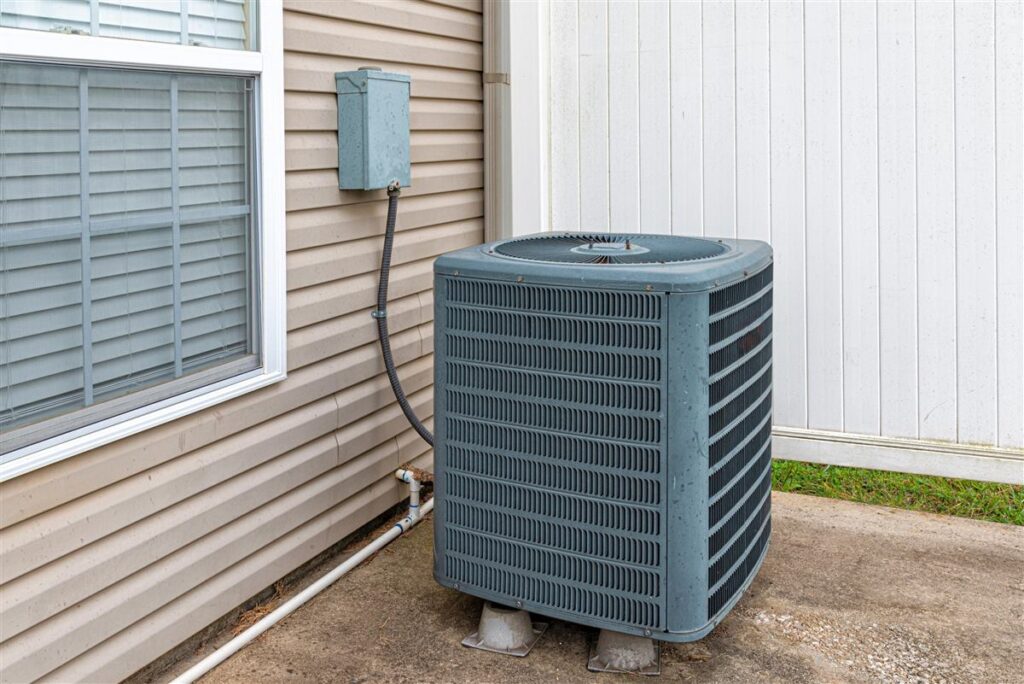
Good placement makes a system quieter, more efficient and easier to service. A few things we look at before drilling any holes:
- Airflow across the room. The indoor unit should throw air toward where people sit or sleep, without blasting them directly.
- Drain path. Condensate needs to drain by gravity or with a small pump. Gravity is simpler and more reliable when the layout allows it.
- Short, clean line runs. Shorter refrigerant lines are easier to install and leave fewer places for problems.
- Outdoor clearance. The outdoor unit needs space for airflow and service, away from dryer vents and sprinkler spray.
- Noise. Keep the outdoor unit away from bedroom windows and from a neighbor’s patio where possible.
- Storm readiness. Outdoor equipment must be properly secured to its pad or bracket. Our hurricane AC guide covers how to protect it during storm season.
Caring for a Ductless Heat Pump in South Florida
Ductless equipment needs regular care, and in our humid climate a few tasks matter more than most homeowners expect.
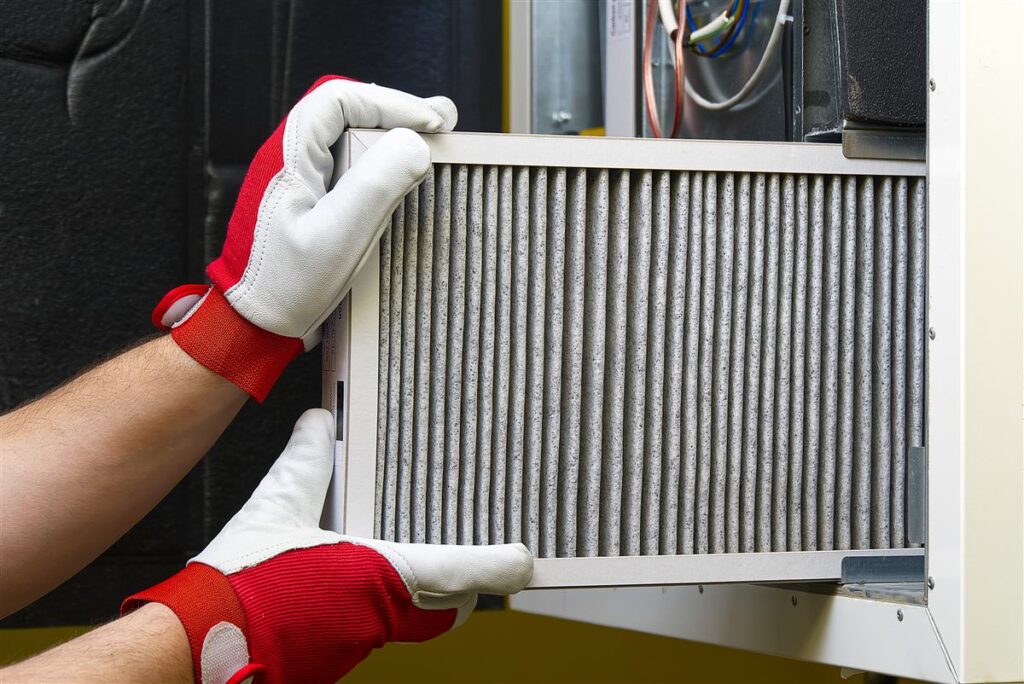
- Wash the filters often. The indoor unit has washable mesh filters behind the front panel. Rinse them every few weeks during heavy use, let them dry, and slide them back in.
- Watch for dark spots on the vanes. Black specks on the louvers or inside the air outlet can mean growth on the blower wheel. That calls for a professional cleaning.
- Keep the drain flowing. A clogged drain line can cause water to drip down the wall under the unit.
- Rinse the outdoor coil. With the power off, a gentle spray from a garden hose helps remove salt and dirt. Never use a pressure washer.
- Book regular maintenance. A technician can deep-clean the indoor coil and blower, check refrigerant performance and inspect electrical connections.
Our AC maintenance service covers ductless equipment too, and our service agreement plans keep those visits on schedule.
Common Mini Split Problems and What They Mean
Ductless systems are reliable when installed and maintained well, but a few issues come up regularly in Florida homes.
Water dripping from the indoor unit
This is usually a clogged drain, a kinked drain line or a unit that was not mounted level. Turn the system off and call for service before the water damages the wall.
A musty or sour smell
Moisture and dust inside the blower wheel and coil can grow mold and bacteria, causing an odor when the unit starts. A deep cleaning usually fixes it. Our guide on why your AC smells bad explains other odors.
Blinking lights or an error code
Most units show a code when something goes wrong. Write it down along with the brand and model, then turn the system off and on once. If the code returns, call a technician and share what you saw.
Weak cooling
Start with dirty filters, then check that the outdoor unit is clear and running. If both look fine, the system may need a professional check for low refrigerant or a failing part.
More Questions About Ductless AC
Can a ductless heat pump also heat my home?
Yes. Most ductless systems sold today are heat pumps, which means they can cool in summer and provide efficient heat on the cool nights we get in winter. Our article on heat pump vs. air conditioner explains how they compare.
Can I install a DIY kit myself?
Some kits are sold for homeowner installation, but in Palm Beach County the work still needs a permit, and handling refrigerant requires certification. A poor install can void manufacturer coverage and lead to leaks. We recommend a licensed installer.
Will a ductless AC lower my power bill?
It can, especially when it replaces window units or lets you stop over-cooling the whole house to fix one room. Results depend on the equipment, how you use it and your home. For more ideas, read our tips to lower your FPL bill.
Are ductless systems noisy?
Indoor units are generally quiet, often quieter than a central system’s vents. Outdoor units make some noise when running hard, so placement matters. Ask to compare the sound ratings of the models you are considering.
Ductless Installation Around Palm Beach County
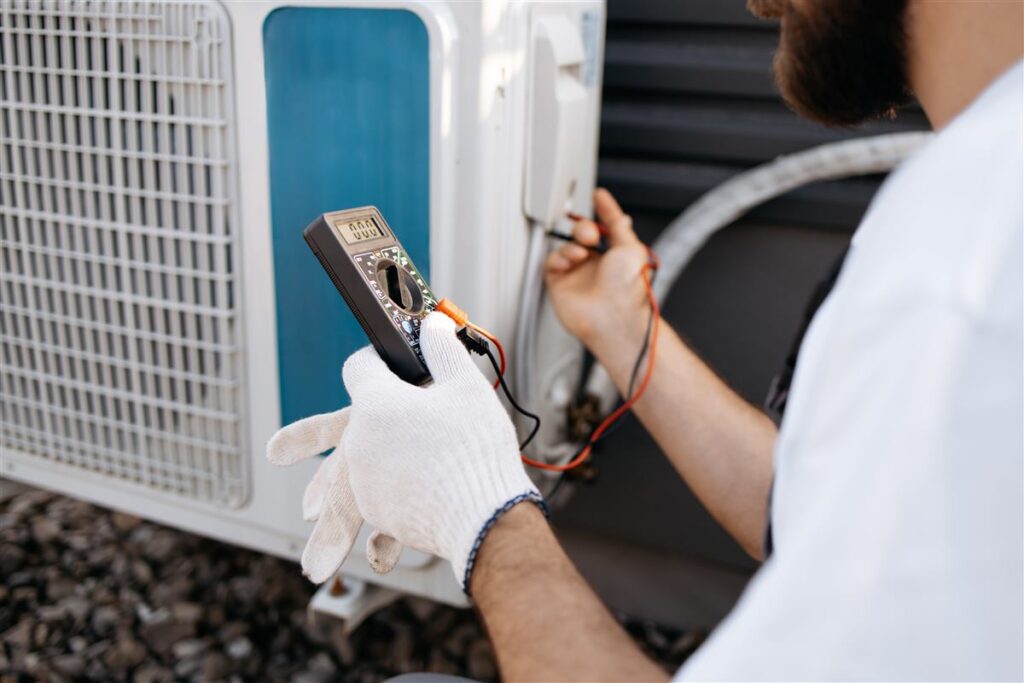
We are an owner-operated contractor based in Boynton Beach and install and service ductless equipment throughout the county, including Greenacres, Lantana and Palm Springs. Every project starts with an upfront price before any work begins. Call (561) 318-1882 to talk through whether ductless is the right fit for your space.
Want to see recent jobs and seasonal AC tips? Follow Cold Chillin on our Facebook page.
Ready to Stop Fighting With That Hot Room?
We install single-zone and multi-zone ductless mini split systems throughout Boynton Beach, Delray Beach, Lake Worth, Boca Raton, and West Palm Beach. Honest pricing, proper permitting, quality brands only.
Call 561-318-1882 or book a free estimate online.
Need help with your AC? Cold Chillin Air Conditioning provides AC installation and replacement across Palm Beach County, including same-day AC repair in Boynton Beach. Call (561) 318-1882 or request service online.