Why Does My AC Smell Bad? 7 Common Air Conditioner Odors Explained
Why does my AC smell bad? If you’ve noticed an unpleasant odor coming from your air conditioner, you’re not alone. Strange smells are one of the first signs that something isn’t working properly inside your HVAC system. While some odors are harmless and easy to fix, others can indicate serious problems that require immediate attention.
When an AC smell shows up, the timing and location of the odor often tell you as much as the smell itself, so the sections below cover how to trace it before you call anyone.
Florida’s warm and humid climate creates the perfect conditions for mold, mildew, and bacteria to grow inside air conditioning systems. Ignoring these odors can reduce indoor air quality, increase energy costs, and even damage your HVAC equipment.
In this guide, we’ll explain the most common air conditioner odors, what causes them, and what you should do to keep your AC running efficiently.
Why Does My AC Smell Bad?
Your air conditioner circulates air throughout your home. If dust, moisture, mold, or electrical issues develop inside the system, those odors are carried through your air ducts and into every room.
The smell itself is often a warning sign that your system needs cleaning, maintenance, or repair.
Identifying the type of odor can help determine the cause.
1. Musty or Moldy Smell
A musty smell is one of the most common complaints from Florida homeowners.
Because Florida has high humidity year-round, moisture can collect inside your evaporator coil, drain pan, or ductwork. Over time, mold and mildew begin to grow, creating a damp, unpleasant odor every time your AC turns on.
How to Fix It
- Replace the air filter.
- Clean the condensate drain line.
- Schedule professional evaporator coil cleaning.
- Consider installing a UV light to reduce mold growth.
Ignoring mold can affect indoor air quality and trigger allergy symptoms.
2. Dirty Sock Smell
If your air conditioner smells like dirty gym socks, bacteria may be growing on the evaporator coil.
This problem is commonly known as Dirty Sock Syndrome.
As moisture builds on the coil, bacteria multiply and produce unpleasant odors that spread throughout your home.
Solution
A professional coil cleaning usually removes the bacteria and eliminates the smell.
Regular AC maintenance helps prevent this issue from returning.
3. Burning Smell
A burning smell should never be ignored.
It may indicate:
- Overheated electrical wiring
- A failing blower motor
- Burning insulation
- Worn electrical components
If the smell continues for more than a few minutes, turn off your air conditioner immediately and contact an HVAC professional.
Electrical problems can become serious safety hazards if left untreated.
4. Rotten Egg Smell
A rotten egg odor usually isn’t caused by the air conditioner itself.
Instead, it may indicate:
- A natural gas leak
- A dead animal inside ductwork
- Sewer gas entering the home
If you suspect a gas leak, leave your home immediately and contact your gas utility company.
Never continue operating your HVAC system if you smell natural gas.
5. Chemical or Sweet Smell
A chemical odor may indicate a refrigerant leak.
Although modern refrigerants are generally odorless, leaks can sometimes produce a faint sweet or chemical smell.
Other possible causes include:
- Damaged insulation
- Cleaning chemicals
- Plastic components overheating
A refrigerant leak reduces cooling performance and should always be repaired by a licensed HVAC technician.
6. Smoke Smell
If your home recently experienced smoke from cooking, candles, or a fireplace, your air conditioner may circulate those odors throughout the house.
A dirty air filter can trap smoke particles and continue releasing the smell long after the source is gone.
Replacing the filter and cleaning your ductwork often solves the problem.
7. Trash or Garbage Smell
A strong garbage smell may indicate organic material trapped inside the system.
Possible causes include:
- Dead insects
- Small rodents
- Leaves inside the outdoor unit
- Dirty condensate drain
Professional cleaning can remove debris and restore fresh airflow.
How to Prevent AC Odors
Preventing unpleasant smells is much easier than dealing with major HVAC repairs.
Follow these simple maintenance tips:
- Replace your air filter every 30 to 60 days.
- Schedule annual AC maintenance.
- Keep the condensate drain clean.
- Maintain proper indoor humidity levels.
- Keep the outdoor unit free of leaves and debris.
- Clean supply and return vents regularly.
- Have your ductwork inspected if odors persist.
Routine maintenance helps improve both indoor air quality and system efficiency.
When Should You Call an HVAC Professional?
Some odors disappear after replacing the air filter or cleaning around the unit. However, persistent smells usually require professional attention.
Contact an HVAC technician if you notice:
- Burning odors
- Chemical smells
- Mold odors that keep returning
- Weak airflow
- Poor cooling performance
- Water leaks around the indoor unit
- Unusual noises from the system
Early repairs can prevent more expensive damage and keep your home comfortable.
Why Regular Maintenance Matters
Routine maintenance is the best way to prevent unpleasant odors and costly repairs.
During a professional AC tune-up, technicians inspect:
- Air filters
- Evaporator coils
- Condensate drain lines
- Blower motor
- Electrical connections
- Refrigerant levels
- Outdoor condenser
Keeping these components clean allows your system to operate efficiently while improving indoor air quality.
When Does the AC Smell Appear? Timing Clues
Pay attention to when the odor shows up. The same smell can point to different causes depending on whether it happens at startup, all day long, or only in certain conditions. Jot down a few notes about each AC smell for a day or two before calling. It will save time and help a technician go straight to the right part of the system.
Only for the first minute after the system starts
A brief musty puff right when the blower kicks on usually means moisture has been sitting on the coil or in the drain pan while the system was off. Bacteria and mildew grow there, and the first rush of air carries the odor out before it fades. This is the classic pattern behind dirty sock syndrome, and it is the most common air conditioner smell we are asked about.
All the time, in every room
A constant AC odor throughout the house suggests the source is central, like the air handler, the coil, the filter, or the main return duct. Start with the filter, then look at the indoor unit for standing water or visible growth. A whole-house AC smell rarely starts in a single duct.
Only in one room
If one room smells and others do not, the problem may be in that room’s duct run or near the vent. A dead pest in a duct, a disconnected run pulling in attic air, or a nearby bathroom exhaust problem are common culprits. A one-room AC odor is worth mentioning specifically when you call.
Only when you switch to heat
Many Florida homes rarely use heat. On the first cool morning, a short burning dust smell is common as heat strips or heat pump parts warm up after months of sitting. It should fade within an hour, and that short-lived AC smell is nothing to worry about. If it lingers or gets stronger, turn the system off. Our guide on a heat pump not heating covers other cool-season issues.
How to Trace an AC Odor Step by Step
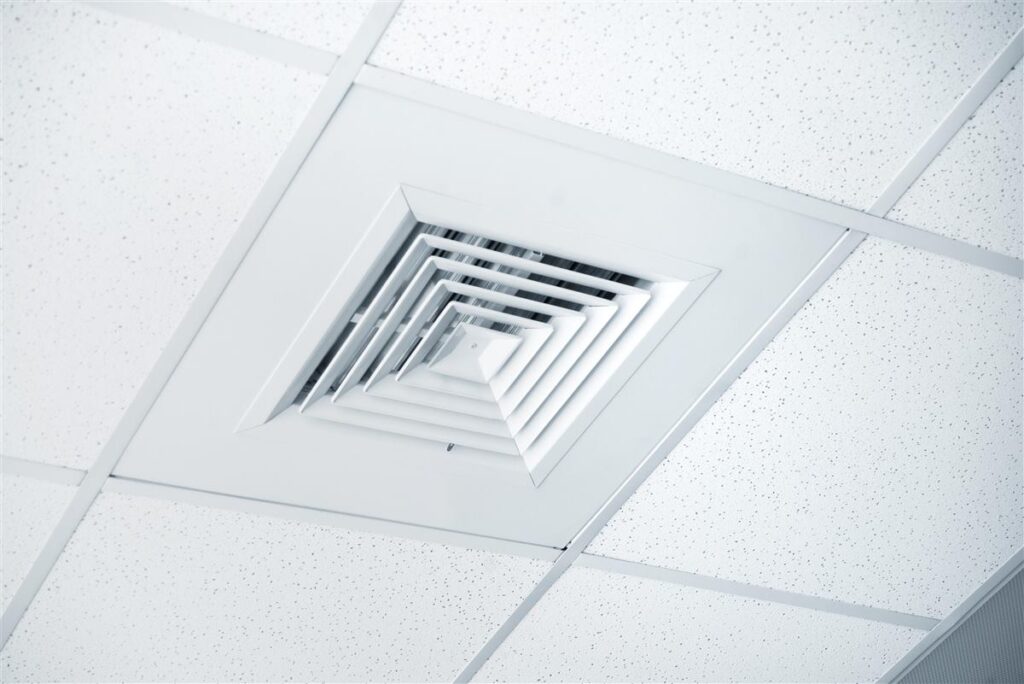
You do not need tools to narrow down most odors. A flashlight and a little patience will do. Work through these steps in order and stop if anything looks electrical or unsafe. Most homeowners can find the general source of an air conditioner smell this way.
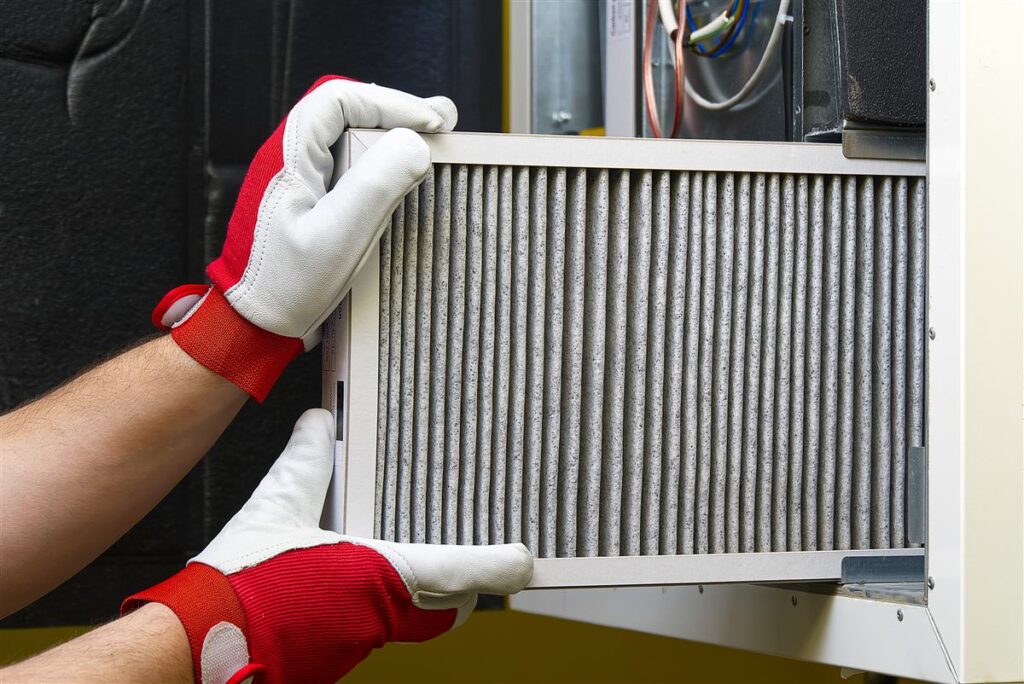
- Check the filter. A filter that is damp, moldy, or full of debris can hold smells and release them every time the fan runs.
- Look at the indoor unit. Open the closet or check the garage or attic. Look for standing water in the drain pan, rust, or dark spots on the cabinet.
- Smell at the return grille. If the odor is strongest at the return, the source may be in the house itself, like a trash can, laundry, or something stored near the air handler.
- Smell at several supply vents. Compare rooms. A stronger smell in one area narrows down which duct run to check.
- Walk outside to the condenser. Look for leaves, dead animals, or debris inside the unit or near it.
- Check the drain line outlet. It should drip on humid days. If it is dry while the system runs, the line may be clogged and backing up.
If your search turns up water around the indoor unit, see our guide to AC leaking water in Boynton Beach. Many smells and leaks share the same cause, so fixing a backed-up drain often clears the AC odor too.
Florida Causes Behind an Air Conditioner Smell
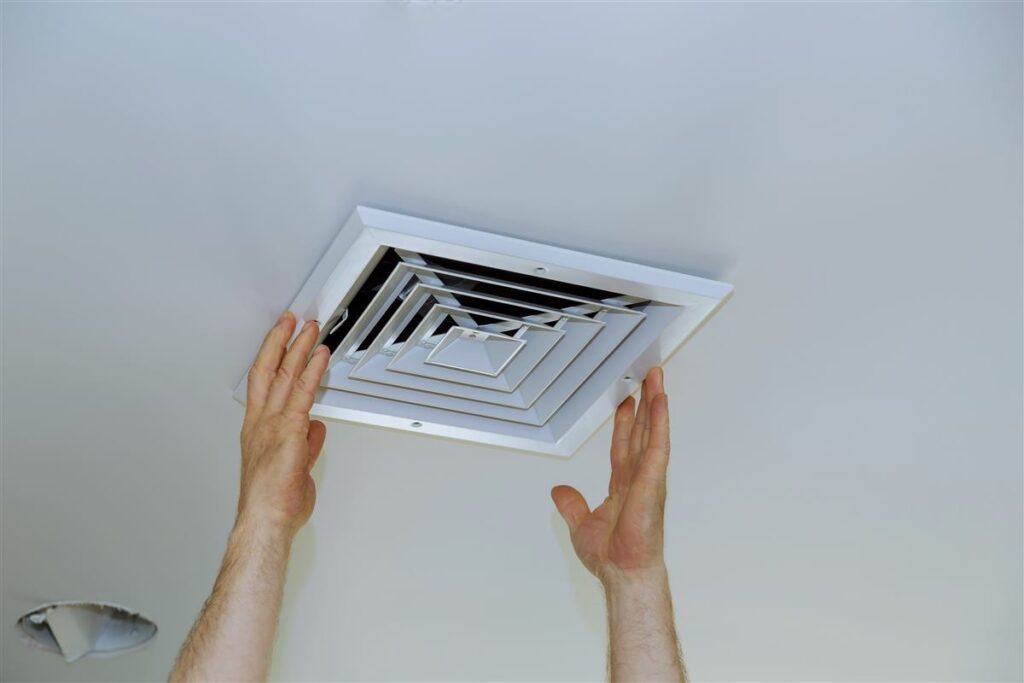
Our climate creates a few odor problems that are less common in other parts of the country. Year-round cooling and high humidity mean the indoor coil and drain pan stay wet for months at a time. That steady moisture is why mildew and bacteria are such frequent causes of an air conditioner smell in Palm Beach County homes.
Algae in the drain line. Warm water in a dark pipe is an ideal home for algae. As it builds, water drains more slowly, the pan stays full, and a swampy odor can spread through the house. Clearing the line is often the fastest way to get rid of this kind of AC smell.
Garage air handlers. Many local homes have the air handler in the garage. If the cabinet or return has gaps, the system can pull in car exhaust, gasoline fumes, paint smells, or lawn chemicals and send them through the house. Keep stored chemicals away from the unit and ask a technician to check the cabinet seals. A chemical air conditioner smell in a home with a garage air handler often starts here.
High indoor humidity. When the system does not remove enough moisture, rooms smell damp and closets turn musty. Our guide on AC humidity problems explains why this happens and how to fix it.
Less Common AC Smell Types and What They Mean
The seven odors above cover most cases, but homeowners sometimes describe smells that do not fit neatly into those groups. Here are a few more to know about.
Vinegar or sour smell
A sharp, sour AC odor can come from mold or bacteria on the coil, a clogged drain pan, or, less often, an electrical motor that is overheating. If it is sharp and getting stronger, treat it as an electrical concern and turn the system off.
Fishy smell
It sounds odd, but a fishy smell often comes from overheating electrical parts or wiring insulation. Some plastics and coatings give off this odor when they get too hot, so a fishy AC smell deserves quick attention. Shut the system down and call a professional rather than waiting to see if it passes.
Exhaust or fuel smell
An exhaust smell usually means the system is pulling air from a garage or near a running engine. Never let a car idle in a garage that houses the air handler. If the smell continues with no car running, have the cabinet and return checked for gaps.
New system smell
A freshly installed system can give off a faint smell for a short while as new parts and coatings warm up. It should fade within days. If it does not, or if it smells like burning, call the installer. A new system should not have a lasting AC odor.
What Not to Do About an AC Smell
When a strong AC odor fills the house, it is tempting to grab the quickest fix. Some quick fixes make things worse.
- Do not spray air freshener or disinfectant into the return or supply vents. It can coat the coil and blower, and it only hides the problem.
- Do not pour bleach into the drain line without checking your system’s instructions. Some materials do not handle it well.
- Do not keep running the system if you smell burning, fishy, or electrical odors.
- Do not ignore a gas smell. Leave the house and call your gas utility from outside.
- Do not seal off vents in the room that smells. That can upset airflow and add moisture problems elsewhere.
Masking an air conditioner smell does not fix it. The source will still be there, and it often grows while it is hidden.
Preventing an AC Odor Before It Starts
A few habits go a long way toward keeping the air in your home fresh. Most of them cost little or nothing.
- Change the filter on schedule. Our guide on how often to change your AC filter in Florida explains the timing.
- Keep the area around the air handler clean and dry. Do not store paint, fuel, or cleaners next to it.
- Run the system on auto instead of fan on. A fan running all day can blow moisture from the coil back into the house.
- Keep indoor humidity in check, especially when you are away for long periods.
- Book regular AC maintenance so the coil, drain pan, and drain line are cleaned before buildup starts.
Prevention is far easier than chasing an AC odor after it settles into carpets and furniture.

Can UV Lights or Duct Cleaning Help With an AC Smell?
For musty and mildew odors tied to the coil, a UV light installed near the indoor coil may help limit future growth. It works best on a system that has already been cleaned, and it will not remove an air conditioner smell that is already there. It is not a fix for a clogged drain or an electrical problem. Our indoor air quality page explains the options.
Duct cleaning can help when the source truly is inside the ducts, like pest debris or mold growth in a duct run. In many homes, though, the coil, drain pan, or filter is the real culprit. Our honest look at whether duct cleaning is worth it explains when it makes sense.
For a broader view of air quality in local homes, see our guide to indoor air quality in South Florida.
Questions About an Air Conditioner Smell
Is a musty AC smell harmful?
A musty odor means something is growing in damp parts of the system. For people with allergies or asthma, that growth may make symptoms worse. Either way, a musty AC odor is worth fixing rather than covering up.
Why does the smell come back after I change the filter?
The filter may not be the source. If an air conditioner smell returns within days, the coil, drain pan, or a duct is the more likely cause, and a professional cleaning is usually needed.
Can a low refrigerant level cause odors?
Most modern refrigerants have little or no smell. A faint sweet or chemical odor can sometimes appear with a leak, along with other symptoms. Our list of signs your AC is low on refrigerant covers what else to watch for.
What should I do if the smell comes with a tripped breaker?
Leave the breaker off. A burning AC odor together with a tripping breaker points to an electrical problem. Our guide on an AC that keeps tripping the breaker explains why repeated resets are risky.
Get Help With a Lingering AC Odor
If you have traced the smell as far as you safely can and it is still there, we can help. Cold Chillin Air Conditioning is owner-operated and based in Boynton Beach, Florida license CAC 1823036. We find the source, explain what we found in plain English, and give you an upfront price before any work starts.
Same-day service is often possible when the schedule allows. Call (561) 318-1882, visit our contact page, or learn more about our AC repair services. We are open Monday through Friday, 9 to 6, and Saturday, 9 to 2:30.
Want to see recent jobs and seasonal AC tips? Follow Cold Chillin on our Facebook page.
Final Thoughts
If you’ve been asking, “Why does my AC smell bad?”, don’t ignore the warning signs. Strange odors often indicate mold, bacteria, electrical problems, clogged drain lines, or other issues that can affect your home’s comfort and your HVAC system’s performance.
Replacing your air filter, scheduling routine maintenance, and addressing small problems early can help prevent expensive repairs and keep your air conditioner running efficiently throughout Florida’s hot and humid summers.
If your air conditioner has an unusual smell or isn’t cooling properly, Cold Chillin Air Conditioning is ready to help. Our experienced technicians provide professional AC repair, maintenance, and installation services throughout Palm Beach County. Contact us today to schedule your service and enjoy cleaner, fresher indoor
Need help with your AC? Cold Chillin Air Conditioning provides indoor air quality services across Palm Beach County, including same-day AC repair in Boynton Beach. Call (561) 318-1882 or request service online.