
How Often Should You Change Your AC Air Filter in Florida?
How Often Should You Change Your AC Air Filter in Florida? This is one of the most common questions Florida homeowners ask. Because your air conditioner runs almost year-round, replacing the air filter regularly is essential for better airflow, lower energy bills, cleaner indoor air, and a longer-lasting HVAC system
The good news is that it only takes a few minutes to change your AC air filter once you know where it is, what size to buy, and which way it goes in.
Many homeowners forget about this simple maintenance task until they notice weak airflow or higher energy bills. A dirty air filter can reduce cooling performance, increase electricity costs, and even shorten the lifespan of your HVAC system.
In this guide, you’ll learn how often to change your AC air filter in Florida, the warning signs of a dirty filter, and why replacing it on time can save you money.
Why Is Your AC Air Filter Important?
Your air filter is the first line of defense for your HVAC system. It captures dust, dirt, pollen, pet hair, mold spores, and other airborne particles before they enter your air conditioner.
A clean filter helps:
- Improve indoor air quality
- Increase airflow
- Reduce strain on your HVAC system
- Lower monthly energy bills
- Protect the evaporator coil from dirt buildup
- Extend the life of your air conditioner
Without a clean filter, your AC has to work much harder to cool your home.
How Often Should You Change Your AC Air Filter in Florida?
For most Florida homes, you should change your AC air filter every 30 to 60 days.
However, the ideal schedule depends on your home’s environment and lifestyle.
Every 30 Days
Replace your filter every month if:
- You have one or more pets.
- Someone in your home has allergies or asthma.
- Your AC runs almost continuously.
- You have a large family.
- Your home collects dust quickly.
Every 60 Days
A replacement every two months is usually enough if:
- You don’t have pets.
- Your home stays relatively clean.
- Only one or two people live in the house.
Every 90 Days
Vacation homes or homes with minimal occupancy may only need a new filter every three months.
Even if your filter looks clean, it’s still a good idea to inspect it every month.
Why Florida Homes Need More Frequent Filter Changes
Florida’s climate creates unique challenges for HVAC systems.
Your air conditioner works longer because of:
- High outdoor temperatures
- Year-round humidity
- Frequent pollen
- Dust and sand
- Heavy AC usage
These conditions cause filters to collect dirt much faster than homes in cooler climates.
Replacing your filter regularly helps your system handle Florida’s demanding weather more efficiently.
Signs Your AC Air Filter Needs to Be Replaced
Sometimes your air filter gives clear warning signs that it’s overdue for replacement.
Look for these common symptoms:
- Weak airflow from vents
- Rooms taking longer to cool
- Higher energy bills
- More dust inside your home
- Dirty or gray-looking filter
- Musty odors when the AC runs
- Increased allergy symptoms
- AC running almost constantly
If you notice any of these issues, check the filter before calling for repairs.
What Happens If You Don’t Replace the Filter?
Ignoring a dirty air filter can lead to bigger problems over time.
A clogged filter can cause:
- Poor cooling performance
- Frozen evaporator coils
- Increased energy consumption
- Higher utility bills
- Reduced indoor air quality
- More wear on the blower motor
- Expensive HVAC repairs
- Shorter system lifespan
Replacing a filter costs only a few dollars, while repairing a damaged air conditioner can cost hundreds or even thousands.
Choosing the Right Air Filter
Not all air filters are the same.
Most Florida homeowners benefit from filters rated between MERV 8 and MERV 11.
These filters provide excellent filtration without restricting airflow.
Avoid choosing the highest-rated filter unless your HVAC manufacturer recommends it. Extremely dense filters can reduce airflow and decrease system efficiency.
If you’re unsure which filter is right for your system, ask an HVAC professional during your next maintenance visit.
Tips for Keeping Your AC Running Efficiently
Changing the air filter is only one part of proper HVAC maintenance.
For the best performance:
- Check your filter every month.
- Schedule professional AC maintenance once a year.
- Keep supply and return vents open.
- Clean around your outdoor condenser unit.
- Seal air leaks around windows and doors.
- Use a programmable thermostat to reduce unnecessary run time.
These simple habits improve comfort while reducing energy costs.
Benefits of Replacing Your Air Filter Regularly
A clean air filter offers several advantages for both your family and your HVAC system.
Benefits include:
- Better airflow
- Faster cooling
- Lower electricity bills
- Cleaner indoor air
- Reduced allergens and dust
- Less strain on your air conditioner
- Fewer unexpected breakdowns
- Longer equipment lifespan
It’s one of the easiest and most affordable ways to improve your home’s comfort.
When Should You Call an HVAC Professional?
If you’ve replaced your air filter but your AC still isn’t cooling properly, another issue may be affecting the system.
Call a professional if you notice:
- Weak airflow after replacing the filter
- Frozen evaporator coils
- Warm air from vents
- Loud or unusual noises
- Water leaking around the indoor unit
- Rising energy bills without explanation
An experienced HVAC technician can inspect your system and identify problems before they become major repairs.
How to Change Your AC Air Filter Step by Step
The schedule above tells you when. This section covers how. If you have never done it before, the first time may take ten minutes. After that it becomes a quick monthly habit.
- Turn the system off at the thermostat. This keeps the blower from pulling dust into the unit while the slot is open.
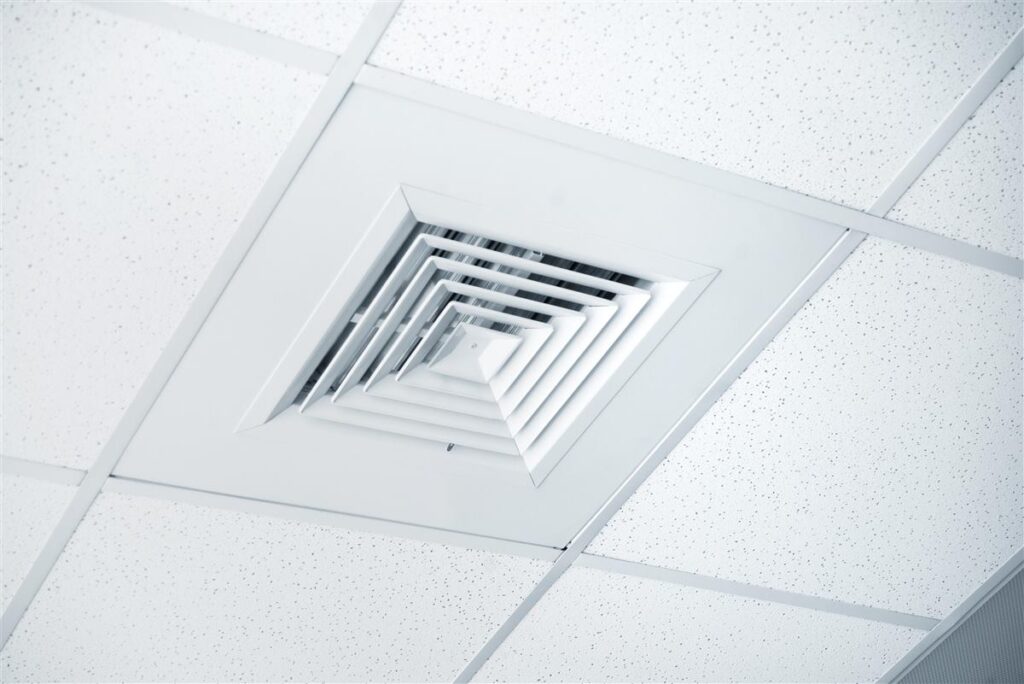
- Find the filter. In most Florida homes it sits behind a large return grille in a hallway or ceiling, or in a slot at the air handler in a closet, garage, or attic.
- Note the size and direction. Before you pull the old AC filter, look at the size printed on its frame and the arrow showing airflow direction.
- Remove the old filter carefully. Slide it out slowly so the dust stays on the filter instead of falling into the duct.
- Wipe the area. Use a damp cloth or a vacuum to clean dust from the grille and the edges of the slot.
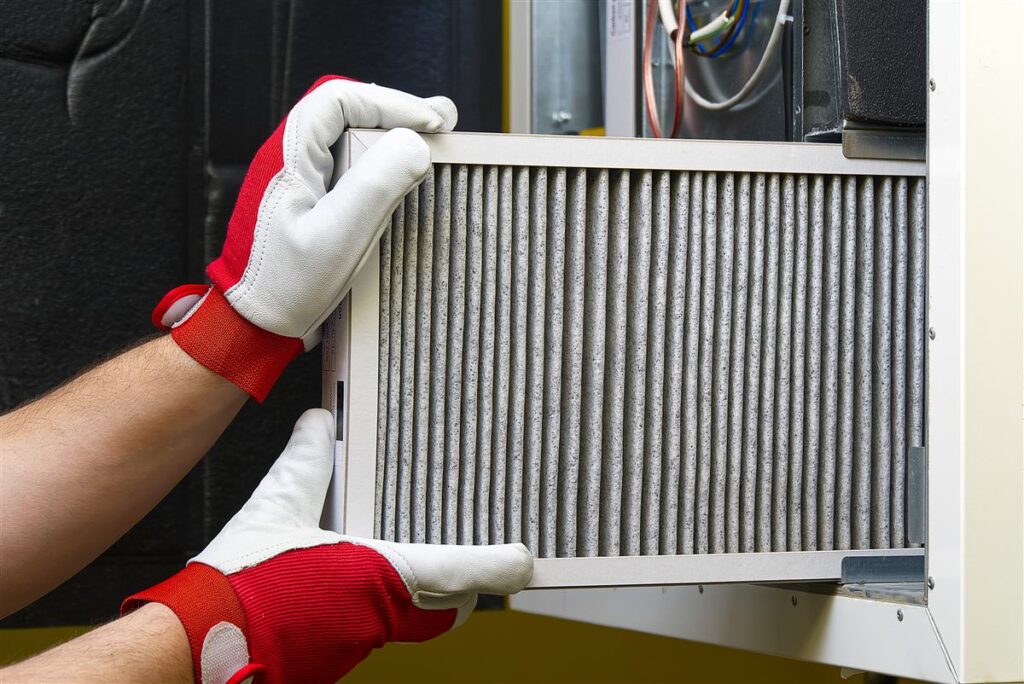
- Insert the new filter. The arrow should point toward the air handler, which is the direction the air travels. Make sure it sits flat with no gaps.
- Write the date on the frame. A marker note makes it easy to know when the next change is due.
- Turn the system back on. Listen for normal airflow and check that the grille closes securely.
That is all there is to it. If your AC filter slot is in a tight attic, take extra care with your footing and only go up during cooler parts of the day.
Finding the Right AC Filter Size
Filters are labeled with a “nominal” size, such as 20x25x1. The actual measurements are usually a little smaller so the filter can slide into the slot. That is normal. Always buy by the size printed on your current AC filter, not by measuring the opening with a tape.
If the old filter has no label, measure the slot carefully and round to the nearest standard size. A filter that is too small leaves gaps where dust can sneak past. One that is too big gets bent or forced in, which also leaves gaps. Either way, unfiltered air reaches the coil.
Some homes have more than one return, each with its own filter. Check every return in the house. It is common for homeowners to replace the hallway filter faithfully and forget a second one in a bedroom or upstairs hallway.
Types of AC Filter Compared
The section on choosing the right filter covers MERV ratings. Here is a plain look at the different styles you will see on the shelf and how they fit Florida homes.
Basic Fiberglass Filters
These are the thin, see-through blue or white filters. They protect the equipment from large debris but do very little for fine dust, pollen, or pet dander. They are inexpensive and usually need changing often.
Pleated Filters
Pleated filters have more surface area and catch much smaller particles. For most Florida homes, a pleated filter in the MERV 8 to 11 range is a solid balance of filtration and airflow.
Washable Filters
Washable filters can be rinsed and reused. In a humid climate, the catch is that they must dry completely before going back in. A damp filter can grow mold and send musty air through the house, so many homeowners here find disposable filters easier.
Thick Media Filters
Some systems have a cabinet that holds a 4 or 5 inch thick filter. These hold more dust and often last longer between changes. They must be the exact size for the cabinet. If you are not sure your system has one, a technician can tell you during a visit.
Common Mistakes When You Change Your AC Air Filter
Most filter problems come from a few simple slip-ups. Avoid these and you will get far more from every filter you buy.
- Putting it in backwards. The arrow points toward the unit. A reversed filter can load up faster and may not seat properly.
- Leaving gaps. Air takes the easiest path. Any gap around the edges lets dust go straight to the coil.
- Running without a filter. Even a day or two lets dust coat the coil and blower. If you run out, keep the old one in until you get a new one.
- Choosing the densest filter available. A very high rated filter can choke airflow on a system not built for it.
- Vacuuming a disposable filter. It may look cleaner, but the fibers are still clogged and some of the dust gets pushed deeper.
- Storing spare filters in a damp garage. Keep extras in their plastic wrap in a dry spot indoors so they do not pick up moisture.
If you have made one of these mistakes for a while, it is worth having the coil checked. A dirty air filter left in too long has the same effect. A dirty coil can lead to ice and poor cooling, as explained in our guide on why an AC freezes up.
How a Dirty Air Filter Affects Humidity and Comfort
In Florida, your air conditioner removes moisture as well as heat. That only works well when enough air moves across the indoor coil. A dirty air filter slows airflow, the coil gets too cold, and the system can struggle to dry the air properly. The home may feel damp even when the temperature looks fine.
Good airflow also helps every room get its share of cool air. If one bedroom always feels stuffy, start with a fresh AC filter before looking for bigger problems. Our article on AC humidity problems explains other reasons a house can feel sticky.
Simple Ways to Remember to Change Your AC Air Filter
The hardest part of filter care is remembering. A few easy systems help:
- Set a repeating reminder on your phone for the first day of each month or every other month.
- Tie it to something you already do, like paying your FPL bill.
- Buy AC filter multi-packs so you always have a spare on hand.
- Keep a small log on the inside of the closet door near the air handler.
- Ask about a service plan that includes regular checks of the system. Our service agreement plans keep maintenance on schedule.
Since a clean filter helps the system run more efficiently, this small habit pairs well with our other tips for a lower FPL bill.

Special Situations That Call for an Extra Filter Change
Some events turn a clean filter into a dirty air filter much faster than normal life. In these cases, do not wait for the usual date.
Home projects: Sanding, drywall work, flooring removal, or painting all put fine dust in the air. Cover the returns during the work and put in a fresh AC filter as soon as the dust settles. Check it again a couple of weeks later.
After storms: Long outages and opened windows can bring in extra dust, pollen, and moisture. A new AC filter is a good part of getting the house back to normal.
Moving in: When you move into a new home, you have no idea when the filter was last replaced. Change your AC air filter on day one.
Allergy season and shedding season: Pollen spikes and heavy pet shedding are good reasons to check every few weeks for a while.
When the Filter Is Not the Whole Answer
A clean filter is the foundation of healthy air and a healthy system, but it cannot fix everything. If you change your AC air filter on schedule and still see dust, smell mustiness, or notice allergy symptoms at home, there may be leaks in the ductwork, mold on the coil, or a humidity problem. Our post on signs of poor indoor air quality explains what to look for, and our indoor air quality services cover the next steps.
Likewise, if the house is not cooling even after you change your AC air filter, the cause is somewhere else. Our guide to an AC not cooling walks through the most common reasons.
Frequently Asked Questions About Your AC Filter
Does a thicker filter really last longer?
Usually, yes. A thick media filter has much more surface area, so it can hold more dust before it restricts airflow. It still needs to be checked, and the right interval depends on your home.
Can a dirty filter cause water leaks?
It can. A dirty air filter lowers airflow, which can cause the coil to freeze. When the ice melts, the extra water can overflow the drain pan. If you see water near the indoor unit, change the filter, turn the system off to let any ice melt, and call for service if it happens again.
Should I change the filter before a maintenance visit?
You can, but there is no need to. A technician can tell you a lot from the condition of the old filter, and checking it is part of a normal visit. Our guide on how often to service your AC in Florida explains what a full visit includes.
Local Help Beyond the AC Filter
Cold Chillin Air Conditioning is an owner-operated HVAC company based in Boynton Beach and licensed in Florida (CAC 1823036). We work on Carrier, Trane, Lennox, Rheem, Goodman, and other major brands across Palm Beach County, including Lantana and Greenacres. If a new AC filter did not fix the problem, call (561) 318-1882. We often offer same-day service when the schedule allows, and you will get an upfront price before any work starts.
Want to see recent jobs and seasonal AC tips? Follow Cold Chillin on our Facebook page.
Final Thoughts
Knowing how often to change your AC air filter in Florida is one of the simplest ways to protect your HVAC system. Because Florida’s climate puts extra strain on air conditioners, replacing the filter every 30 to 60 days helps improve airflow, lower energy bills, and maintain healthy indoor air quality.
Regular filter changes, combined with annual professional maintenance, can keep your air conditioner running efficiently for years to come.
If your AC isn’t cooling properly or it’s time for routine maintenance, Cold Chillin Air Conditioning is here to help. Our experienced technicians provide reliable AC maintenance, repairs, and installations throughout Palm Beach County. Contact us today to schedule your service and keep your home cool in every season.
Related guides: see what an AC tune-up costs and what it should include.
Need help with your AC? Cold Chillin Air Conditioning provides AC maintenance and tune-ups across Palm Beach County, including same-day AC repair in Boynton Beach. Call (561) 318-1882 or request service online.