Palm Beach County only gets a handful of cold mornings a year, which is exactly why heating problems catch people off guard. You flip the thermostat to heat for the first time since last winter and the air feels lukewarm, or the system smells like burning dust, or nothing happens at all. Most homes here heat with a heat pump (the same outdoor unit that cools in summer, running in reverse) and sometimes with electric heat strips in the air handler as backup. Here are the most common reasons it isn’t heating, what you can safely check yourself, and when it’s time to call.
A heat pump not heating on the first chilly morning of the season is frustrating, but with a little background on how the system works you can often tell a simple setting from a real repair.
First: is it actually broken?
Two normal heat pump behaviors fool a lot of people:
- The air feels “cool” even though it’s working. A heat pump delivers air around 85 to 100 degrees, which feels cooler than a gas furnace and can feel chilly on your hand at the vent. If the house is slowly warming up, it’s working.
- Defrost mode. On cold, damp mornings the outdoor coil can frost over. The system briefly switches to defrost: the outdoor fan stops, you may see steam rising from the unit, and indoor air may feel cool for a few minutes. This is normal and should stop within about 10 minutes.
8 common reasons a heat pump isn’t heating
1. Thermostat settings
Check that the mode is Heat (not Cool or Auto with a low setpoint), the setpoint is above room temperature, and the fan is on Auto. With the fan on “On,” the blower runs between heating cycles and pushes room-temperature air that feels cold. Also replace the batteries if your thermostat uses them; a weak battery causes strange behavior.
2. Emergency heat (EM Heat) is on, or never used
EM Heat turns off the heat pump and runs only the electric heat strips. It heats fast but costs a lot to run, so it should only be used if the outdoor unit has failed. If your thermostat shows “EM Heat,” switch back to normal Heat. On the other hand, if you have heat strips that haven’t run in a year, the first run often smells like burning dust for 15 to 30 minutes. That’s normal. A sharp electrical or plastic smell is not; turn the system off and call.
3. Dirty air filter
A clogged filter chokes airflow, and a heat pump in heating mode is sensitive to airflow. It can trip high-pressure safeties and shut down. Swap the filter first; it’s the cheapest fix there is.
4. Tripped breaker
Heat strips draw a lot of current and often sit on their own breaker in the panel. If the strips’ breaker is off (or tripped the first time they kicked on), you’ll only get heat-pump heat, which may not keep up on a cold morning. Reset a tripped breaker once. If it trips again, leave it off and call a technician.
5. Stuck reversing valve
The reversing valve is what switches the system between cooling and heating. After months in cooling mode it can stick, so the system keeps cooling when you ask for heat. If the outdoor unit runs but the air is clearly cold, this is a likely cause and needs a technician.
6. Low refrigerant
A refrigerant leak hurts heating just like it hurts cooling. Signs include ice on the outdoor coil that won’t clear after defrost, long run times and weak heat. Refrigerant doesn’t get used up, so low charge always means a leak that should be found and repaired, not just topped off.
7. Failed capacitor or contactor
Same parts that fail in summer. If the indoor fan runs but the outdoor unit is silent, or the outdoor unit hums without starting, a capacitor or contactor is the usual suspect. Don’t open the unit yourself; capacitors hold a charge even with power off.
8. Outdoor unit blocked
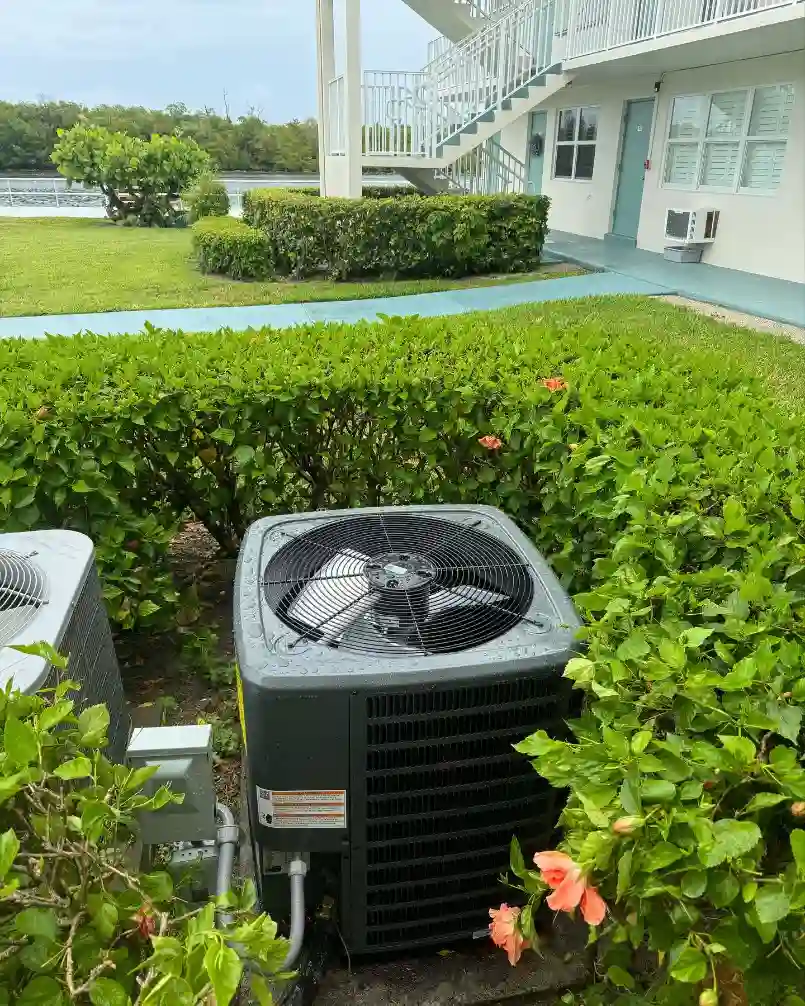
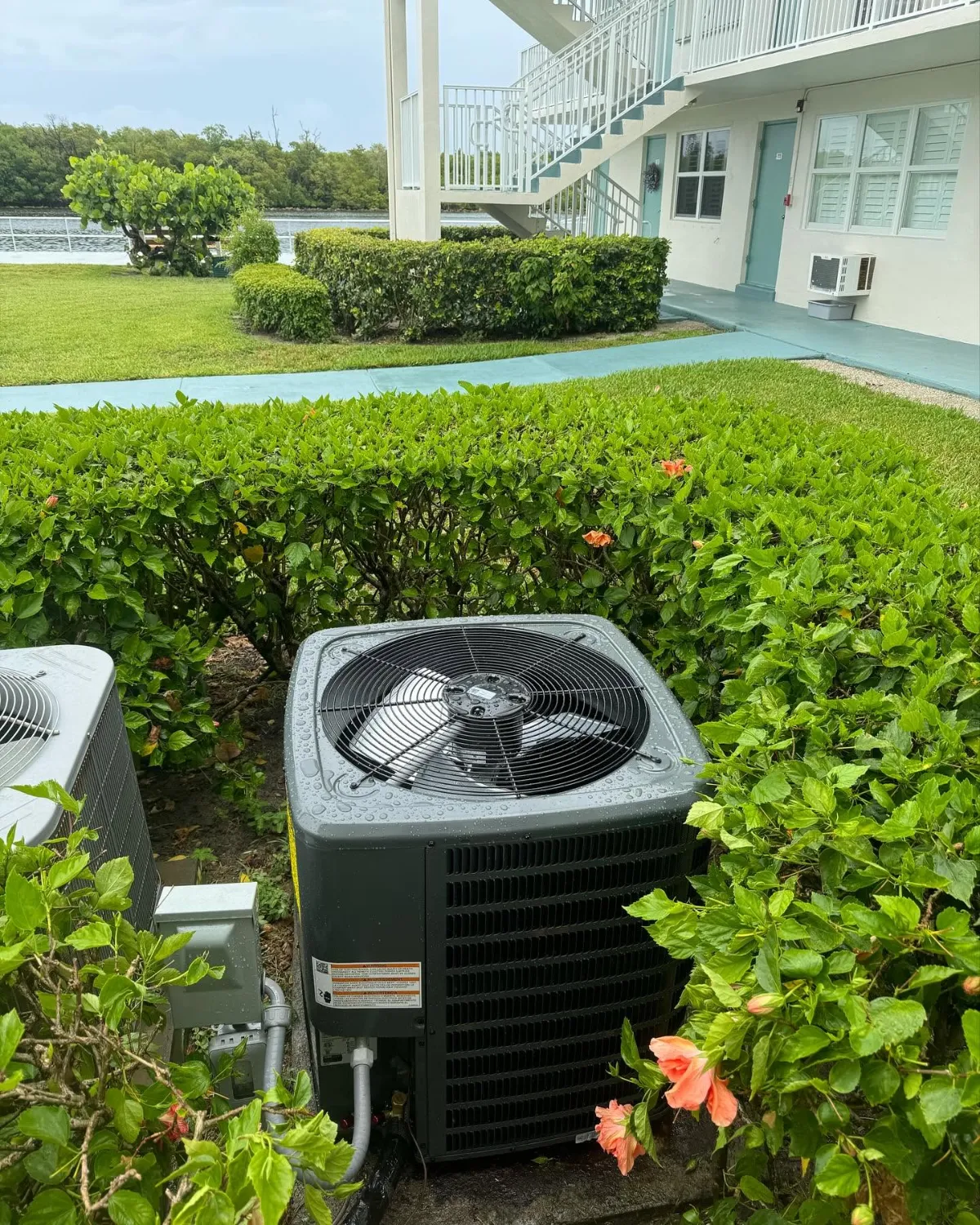
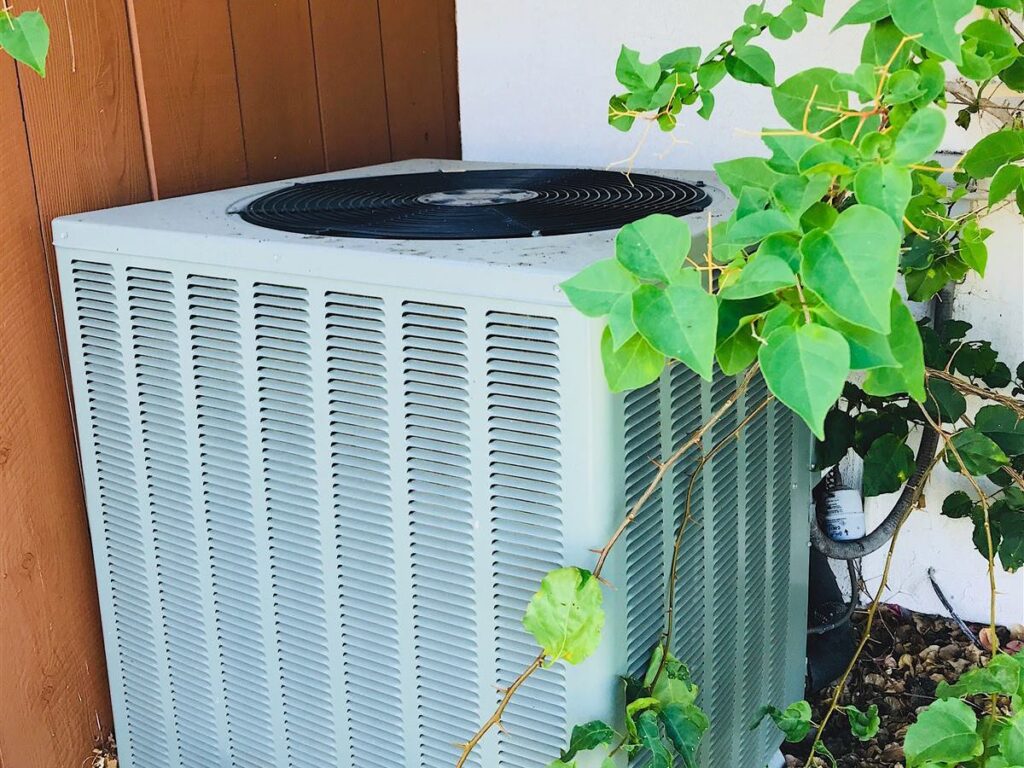
Heat pumps pull heat from outdoor air, so the coil needs clear airflow. Clear leaves, mulch and plants at least two feet back from the unit.
What you can safely check yourself
- Thermostat on Heat, fan on Auto, setpoint above room temperature, fresh batteries.
- Replace the air filter.
- Check the breakers for the air handler (heat strips) and the outdoor unit. Reset once only.
- Look at the outdoor unit: is it running, and is it clear of debris?
- Give it 15 minutes in case it was in a defrost cycle.
If it still isn’t heating after that, it’s time for a technician.
Heating repair vs. replacement
Because heat pumps run in both seasons, they work harder in Florida than almost anywhere else. If your system is over 12 to 15 years old, uses R-22 refrigerant, or needs a compressor, compare the repair against a new system before deciding. Our repair vs. replacement guide walks through the math.
Frequently asked questions
Do Florida homes even need heat?
Not often, but a few nights a year drop into the 40s, and older residents, babies and pets feel it. It’s worth testing your heat in November so you’re not surprised by the first cold front.
Why does my heat pump smell like burning when I turn it on?
Usually dust burning off the heat strips after months unused. It should fade within 30 minutes. If it doesn’t, or smells like melting plastic, shut the system off.
Is it OK to leave emergency heat on?
Only if the outdoor unit isn’t working and you’re waiting for repair. Emergency heat costs far more to run than normal heat pump heating.
Can the same company fix my heating and AC?
Yes. A heat pump is your AC, so the same technician services both.
Heating repair across Palm Beach County
Cold Chillin Air Conditioning repairs heat pumps and heat strips in Boynton Beach, Lantana, Greenacres, Riviera Beach, Wellington and the rest of Palm Beach County. Licensed (CAC 1823036) and owner-operated. Call (561) 318-1882 or request service online.
More guides: Heat pump vs. air conditioner in South Florida
How a Heat Pump Heats, in Plain Terms
Understanding the basics makes troubleshooting a heat pump not heating much easier. In summer, your heat pump pulls heat out of the house and dumps it outside. In heating mode, the reversing valve flips the flow of refrigerant so the system pulls heat from the outdoor air and moves it inside. Even on a cool Florida morning there is plenty of heat in the outdoor air for the system to capture. So a heat pump blowing cold air is not a sign that it is simply too cold outside here.
That means a heat pump uses the same compressor, coils and refrigerant for both jobs. If something is wrong with any of those parts, you may notice a heat pump not working well in cooling season first, or you may not notice until the first cold front. When you find your heat pump not heating in December, the root cause sometimes started months earlier.
Heat pump heat versus heat strips
Most Palm Beach County air handlers also have electric heat strips. They work like a toaster, warming the air as it passes over hot coils, and they often mask a heat pump not heating on its own. The thermostat brings them on when the heat pump alone cannot keep up, during defrost, or when you choose EM Heat. When a heat pump not working properly forces the strips to do all the work, you may still get heat, but your FPL bill will show it.
The New Thermostat Problem: Heat Pump Blowing Cold Air
A wrong setting is one of the most common reasons for a heat pump not heating after an upgrade, and it is worth its own section. A homeowner installs a new smart thermostat over the summer. Cooling works fine. Then the first cold morning arrives and the family finds the heat pump blowing cold air out of every vent.
The usual cause is a setting called the reversing valve, or O/B, setting. Different heat pump brands energize the reversing valve in either cooling or heating mode. If the thermostat is set the wrong way, it switches the valve backward, so the system cools when you ask for heat. Many smart thermostats ask about this during setup, and it is easy to pick the wrong answer. The result looks exactly like a heat pump not working, even though the equipment is fine.
- Check the thermostat’s equipment settings for a heat pump option and an O/B or reversing valve setting.
- Make sure the thermostat knows you have a heat pump, not a gas furnace.
- Confirm that auxiliary heat is set up if you have heat strips.
If you are not comfortable in the settings menu, or you still have a heat pump not working after you check them, a technician can confirm the wiring and configuration in a few minutes. Smart thermostats are a good upgrade when set up correctly, and our article on modern HVAC technology explains what they can do.
Aux Heat, EM Heat and Other Thermostat Messages
Thermostat displays can be confusing, and the wording varies by brand. Reading them correctly can save you a call for a heat pump not working that is really just set to the wrong mode. Here is what the most common messages usually mean.
- Aux Heat or Auxiliary. The heat strips are helping the heat pump. This is normal on a cold morning, during defrost, or when you raise the setpoint by several degrees at once.
- EM Heat or Emergency. You or someone else has turned off the heat pump and is running only the strips. Use this only if the outdoor unit has failed.
- Aux Heat that never shuts off. If auxiliary heat runs constantly on a mild day, the heat pump may not be doing its share. That is worth a service call, because the heat pump is likely not doing its job.
- Defrost or Def. Some thermostats show this during a defrost cycle. Brief and occasional defrost is normal.
A small habit helps here. When you want a warmer house, raise the setting by a couple of degrees at a time instead of all at once. Big jumps can bring on the strips when the heat pump could have handled it alone. A system that heats well with gradual changes but struggles with big ones is usually healthy.
Heat Pump Not Heating Because of Defrost Problems
The existing guide explains that a short defrost cycle is normal. When defrost does not work properly, though, the outdoor coil can ice over and stay that way. A solid block of ice blocks airflow, and the system can no longer pull heat from the air. You end up with weak heat or a heat pump blowing cold air between cycles.
Defrost is controlled by a sensor and a control board. When either one fails, the system may never start defrost, or may start it at the wrong time. Low refrigerant can also cause heavy icing and a heat pump not heating on cold, damp mornings. Signs include:
- Thick ice covering the outdoor coil that stays for hours
- Ice on the top of the unit or around the fan
- No steam or defrost sound on cool, damp mornings
- The outdoor fan running while the coil stays frozen
Do not chip at the ice or pour hot water on the coil. Turn the system to EM Heat if you need warmth and call for service. Running the outdoor unit with a frozen coil can strain the compressor. Our guide to the signs of low refrigerant covers the leak side of this problem.
Heat Pump Not Working? Check the Heat Strips and Air Handler
If your system relies on heat strips for backup, a fault on the indoor side can leave you cold even when the outdoor unit is fine. In that case you may feel a heat pump blowing cold air only when the strips are supposed to help.
- Failed sequencer or relay. These parts switch the heat strips on and off. When one fails, some or all of the strips will not come on.
- Burnt heating element. An element can break after years of use, especially on a system that relies on strips often.
- Tripped limit switch. A safety switch shuts off the strips if they overheat, often because of a dirty filter or a weak blower.
- Weak blower motor. A blower that runs slowly moves too little air across the coil and the strips, which can cause safety trips and lukewarm air.
A strip breaker that trips once is worth resetting, and it is a common reason for a heat pump not heating well on a cold morning. One that trips again is a sign to call. Our article on an AC that keeps tripping the breaker explains why repeated resets are risky.
A November Checklist to Avoid a Heat Pump Not Heating on the First Cold Front
The best time to find a heat pump not heating is before you actually need heat. Pick a mild afternoon in November and run through this list.
- Replace the air filter. See how often to change your filter in Florida.
- Switch the thermostat to Heat and raise the setpoint a few degrees above room temperature.
- Wait several minutes, then feel the air at a vent. It should feel warm, though not hot.
- Go outside and confirm the outdoor unit is running and the fan is spinning.
- Expect a light dusty smell for a short time if the strips come on. A strong electrical smell means turn it off. Our guide to AC smells helps you tell the difference.
- Switch back to Cool or Off when you are done.
If you notice a heat pump blowing cold air during this test, you have time to schedule a repair before the cold arrives. A fall tune-up through our AC maintenance service covers both heating and cooling checks.
What to Tell the Technician When You Have a Heat Pump Not Working
A clear description speeds up the diagnosis of a heat pump blowing cold air or no air at all. Before you call, try to note these details.
- Whether the outdoor unit runs, hums or stays silent
- Whether the indoor fan runs, and whether you notice the heat pump blowing cold air or lukewarm air
- What the thermostat display shows, including any Aux, EM or error messages
- Whether warm air comes only for short periods
- Any ice on the outdoor unit, and how long it has been there
- Any recent changes, such as a new thermostat or recent repair
- Any smells or noises
If nothing at all comes on, start with our guide to what to check when your system won’t turn on. If only the outdoor unit is dead, see outside unit not running.

Keeping Your Heat Pump Healthy So It Never Leaves You Cold
A heat pump works in both seasons, so it benefits from regular care more than a cooling-only system. Keep the outdoor coil clean and clear, change filters on schedule, keep the condensate drain flowing and have the electrical parts tested before peak summer. Small issues like a weak capacitor or a slow leak affect heating and cooling alike. Catching them in a tune-up is the easiest way to avoid a heat pump not working on the coldest night of the year. A service agreement plan keeps that care on a regular schedule.
If your system is older and repairs are stacking up, a new heat pump may be the better choice. Our AC replacement service covers heat pumps too, and we give honest advice on whether a repair still makes sense.
More Questions About a Heat Pump Not Heating
Does a heat pump work when it gets into the 30s?
Yes. It still moves heat from the outdoor air, though it works harder and defrosts more often as temperatures drop. That is when heat strips usually help. In Palm Beach County those mornings are rare and short.
Why is my heat pump blowing cold air only for a few minutes?
A heat pump blowing cold air in short bursts is often in a defrost cycle, or or the fan running before the coil warms up. If the cold air lasts longer than about ten minutes, or happens every cycle, treat it as a heat pump not heating and have it checked.
Should I cover my outdoor unit on cold nights?
No. A heat pump needs open airflow to pull heat from the air. Covering it can leave you with a heat pump not heating and can damage the unit.
Can a heat pump not working in heat mode still cool fine?
Yes. A stuck reversing valve, a wrong thermostat setting or a defrost problem can affect heating only. That is why it is smart to test heat in the fall, before you discover a heat pump not heating on a cold weekend.
Heat Pump Not Heating? Get Repair in Palm Beach County
Cold Chillin Air Conditioning is owner-operated and licensed (CAC 1823036), based in Boynton Beach. We repair heat pumps and heat strips from Carrier, Trane, Lennox, Rheem, Goodman and other major brands across the county, including West Palm Beach and Palm Beach Gardens. For any heat pump not working properly, you get an upfront price before work starts, and same-day service is often available when the schedule allows.
Call (561) 318-1882, Monday to Friday 9 to 6 or Saturday 9 to 2:30, or contact us online.
Want to see recent jobs and seasonal AC tips? Follow Cold Chillin on our Facebook page.