In South Florida the air conditioner never really gets a season off, but the jump from a mild March to a 92-degree May still catches a lot of systems out. The first long stretch of heat is when weak capacitors give up, clogged drain lines overflow and a slow refrigerant leak finally shows itself. A little preparation in spring means you find those problems on your schedule, not on a Saturday night in June.
Here’s a practical checklist for Boynton Beach and Palm Beach County homes: what you can safely do yourself, what a professional pre-season visit should cover, and the signs that mean you should book one now.
Why spring is the right time
From late May through September, HVAC companies across Palm Beach County are busiest and wait times are longest. Booking a tune-up in March or April usually gets you a convenient appointment, and any part that’s close to failing can be replaced before you depend on the system 24 hours a day. It also gives you time to plan if the technician finds the system is near the end of its life, instead of making a rushed replacement decision in a hot house.
The homeowner checklist (about 30 minutes)
1. Replace the air filter
A dirty filter is the most common cause of weak airflow, frozen coils and high power bills. In Florida, where systems run most of the year, 1-inch filters usually need changing every one to three months. Pets, allergies or nearby construction mean more often. Our filter guide covers sizes and MERV ratings.
2. Clear around the outdoor unit
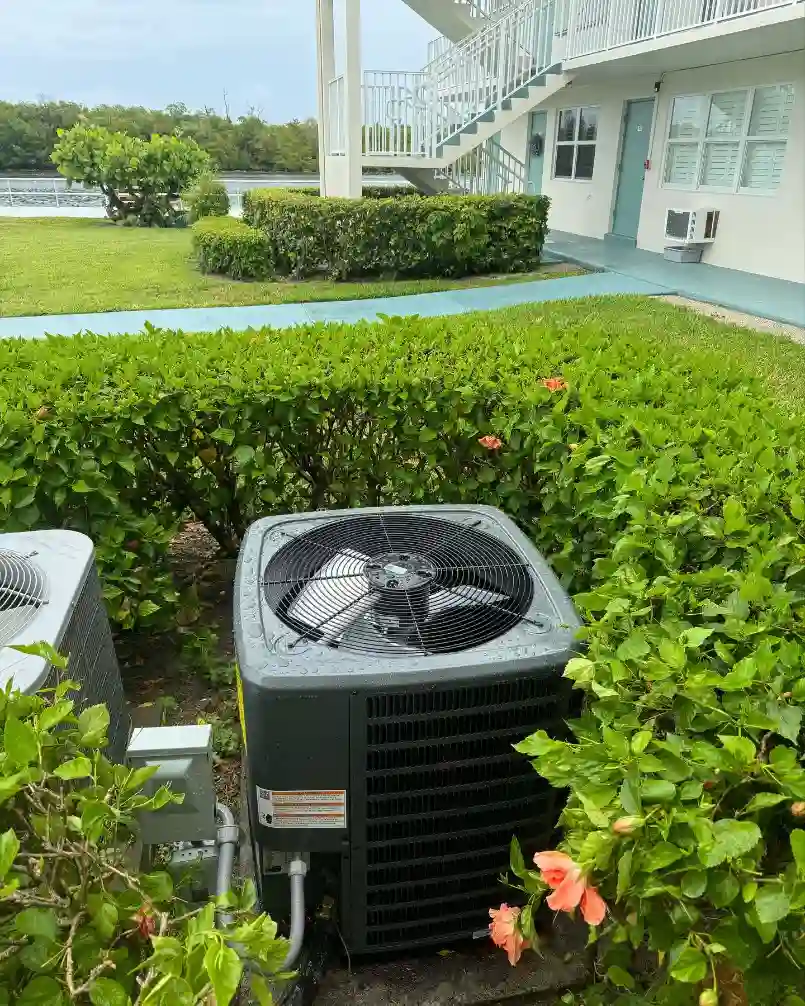
The condenser needs to breathe. Trim shrubs and hedges back so there’s roughly two feet of open space on every side and nothing overhanging the top. Pull out leaves, grass clippings and palm fronds. Don’t stack pool equipment, bins or hurricane shutters against it.
3. Rinse the condenser coil gently
With the power off at the outdoor disconnect, rinse the fins from the outside with a garden hose on a gentle setting. Never use a pressure washer; it flattens the aluminum fins. If the coil is caked with dirt or salt residue (common closer to the coast), leave the deep cleaning to a technician.
4. Flush the condensate drain line
Florida’s humidity means your AC pulls a lot of water out of the air, and algae grows in the drain line. Find the PVC access tee near the indoor unit and pour in about a cup of white vinegar, then flush with water a few minutes later. If water is already sitting in the drain pan, the line is likely clogged. See why AC units leak water.
5. Test the thermostat
Replace the batteries if it uses them. Set it a few degrees below room temperature and confirm the system starts within a minute or two and that cool air reaches the vents. If you’ve been thinking about a programmable or smart thermostat, spring is a good time to install one.
6. Open and clear the vents
Walk the house and make sure supply vents and return grilles aren’t blocked by furniture, rugs or curtains. Closing vents in unused rooms doesn’t save energy on most central systems; it raises pressure in the ducts and can make the system work harder.
7. Listen and look
Run the system for 15 minutes and pay attention. Buzzing, clicking, banging or hissing are worth noting. So are ice on the copper lines, water near the air handler or a burning smell. Our guide to AC noises and what they mean helps you sort normal from urgent.
What a professional pre-season tune-up should include
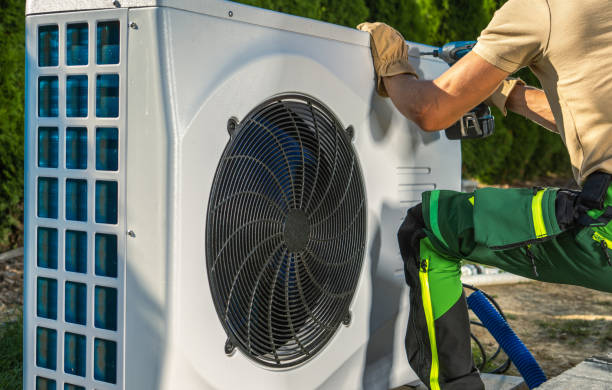
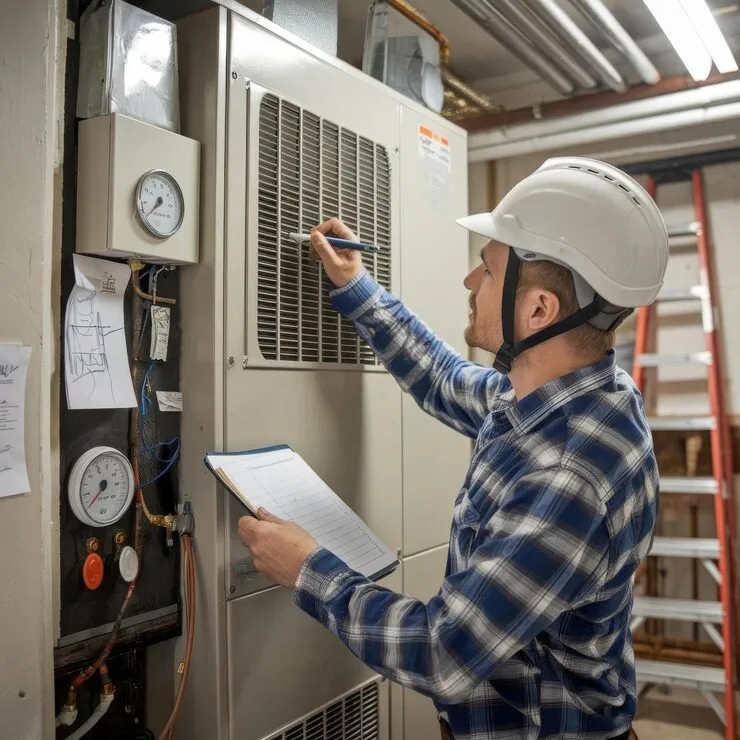
Some of the most important checks need gauges, meters and training. A proper spring visit should cover:
- Testing the capacitor and contactor (the parts that fail most in Florida heat)
- Checking refrigerant pressures and temperature split, and looking for signs of leaks
- Cleaning the condenser coil and checking the evaporator coil
- Clearing and treating the condensate drain line and checking the float switch
- Tightening electrical connections and measuring motor amp draw
- Inspecting the blower wheel and fan motors
- Checking thermostat calibration and overall airflow
We explain each step and typical pricing in our AC tune-up cost guide, and you can see what’s covered on our AC maintenance service page.
Warning signs to fix before the heat arrives
- The system runs much longer than last year to reach the same temperature
- Your FPL bill jumped without a change in how you use the house
- Some rooms are noticeably warmer than others
- The house feels sticky or clammy even though the AC is running
- The unit turns on and off every few minutes
- The system is 12 or more years old and has never had a maintenance plan
Any one of these is a reason to book a visit now rather than waiting for a breakdown. If your system is older and needing frequent repairs, read how to decide between repair and replacement while there’s still time to compare options.
Plan for hurricane season too
Hurricane season starts June 1, right as cooling demand peaks. Check that your outdoor unit is properly secured to its pad, know where the outdoor disconnect is, and consider a surge protector for the condenser. Our hurricane AC guide walks through it.
Frequently asked questions
When should I schedule AC maintenance in Florida?
Most homes benefit from two visits a year. If you only do one, make it in early spring, before the summer rush. Our guide on how often to service your AC in Florida explains why.
Can I prepare my AC for summer myself?
You can handle the filter, the area around the outdoor unit, a gentle coil rinse, the drain line and the thermostat. Electrical and refrigerant checks should be done by a licensed technician.
Is a maintenance plan worth it?
If you’d book two tune-ups a year anyway, a plan usually adds priority scheduling and repair discounts. See whether an AC service agreement is worth it.
Book your spring tune-up with Cold Chillin
Cold Chillin Air Conditioning is a licensed (CAC 1823036), owner-operated HVAC company based in Boynton Beach, serving homes and businesses across Palm Beach County. Call (561) 318-1882 or request a free quote online to get on the schedule before the summer rush. Ask about our service agreements for twice-yearly visits.