AC Repair vs. Replacement: How to Know Which One You Actually Need
Your air conditioner stops working in the middle of a Palm Beach County summer, and now you’re facing a choice that feels like it could go either way: repair it or replace it? It’s one of the most common questions we hear at Cold Chillin Air Conditioning, and the answer isn’t always obvious.
The right decision depends on several factors — the age of your system, the cost of the repair, how efficiently your current unit runs, and how much longer it’s likely to last. Get it right and you save money. Get it wrong and you’re either throwing cash at a dying system or prematurely replacing a unit that had years left in it.
Here’s the honest, no-fluff breakdown to help you make the right call.
Start with the Age of Your System
The lifespan of a central air conditioning system in South Florida is typically 10 to 15 years — shorter than the national average because of our year-round runtime and climate demands. If your unit is within that window and running into problems, it’s time to consider which side of the decision tree you’re on.
- Under 8 years old: Repair is almost always the right move, assuming the repair isn’t catastrophically expensive.
- 8 to 12 years old: This is the gray zone. Weigh the repair cost against the system’s remaining value.
- 12+ years old: Unless the repair is minor and inexpensive, replacement is usually the smarter financial decision.
The Rule of $5,000: A Simple Decision Framework
HVAC professionals often use the “$5,000 rule” to guide repair vs. replace decisions. Here’s how it works: multiply your system’s age by the estimated repair cost. If the result exceeds $5,000, replacement is the wiser investment.
For example: a 10-year-old system with a $600 repair comes to $6,000 — lean toward replacement. A 5-year-old system with a $600 repair comes to $3,000 — repair it.
This rule isn’t perfect, but it gives you a rational starting point that takes both age and cost into account.
Repairs That Usually Warrant Replacement
Not all AC repairs are created equal. Some are routine fixes. Others are expensive warning signs that your system is nearing the end of its useful life. Here are the repairs that should prompt a serious replacement conversation:
Compressor Failure
The compressor is the heart of your AC system. Replacing a compressor can cost $1,500 to $2,500 or more — and in an older system, it rarely makes financial sense to invest that much in one component when the rest of the system is aging alongside it.
Refrigerant Leaks in Older R-22 Systems
If your system still uses R-22 refrigerant (the older “Freon” standard), you’re facing a problem beyond just the leak itself. R-22 was phased out in 2020 and is no longer produced. The remaining supply is scarce and extremely expensive. A significant R-22 leak in an aging system is almost always a clear signal to upgrade.
Heat Exchanger Cracks
Less common in AC-only systems in Florida, but if your system has a heat exchanger (relevant to heat pump setups), cracks can allow carbon monoxide to circulate into your home. This is a safety issue, not just a cost issue — replacement is non-negotiable.
Multiple Component Failures in One Season
If your system has needed two or three repairs in the same year, that pattern signals systemic decline. You’re likely heading toward a more catastrophic failure soon, and continuing to repair is just delaying the inevitable.
Signs That Replacement Will Save You Money Long-Term
Even if your system is still running, there are financial signals that point toward replacement:
- Your energy bills have risen steadily without a change in usage patterns
- Your home struggles to maintain consistent temperatures even when the AC runs constantly
- You’ve had the system repaired more than twice in the past two years
- Your current system is an older, lower-efficiency model (SEER rating under 14)
Newer AC systems have SEER ratings of 16 to 22+. Replacing a 10 SEER unit with a 17 SEER system can reduce your cooling energy consumption by 40% or more — a meaningful savings in Palm Beach County where cooling costs dominate your electric bill.
When Repair Is Clearly the Right Call
Not every AC problem justifies replacement. Many common issues are quick, affordable fixes that add years of reliable service:
- Capacitor or contactor failure: Typically $150–$350 to repair
- Clogged condensate drain: Cleared in one visit, usually under $200
- Thermostat malfunction: Often $75–$250 depending on the unit
- Blower motor issues: $300–$600, well worth it on a younger system
- Dirty coils causing inefficiency: Cleaned during a standard maintenance visit
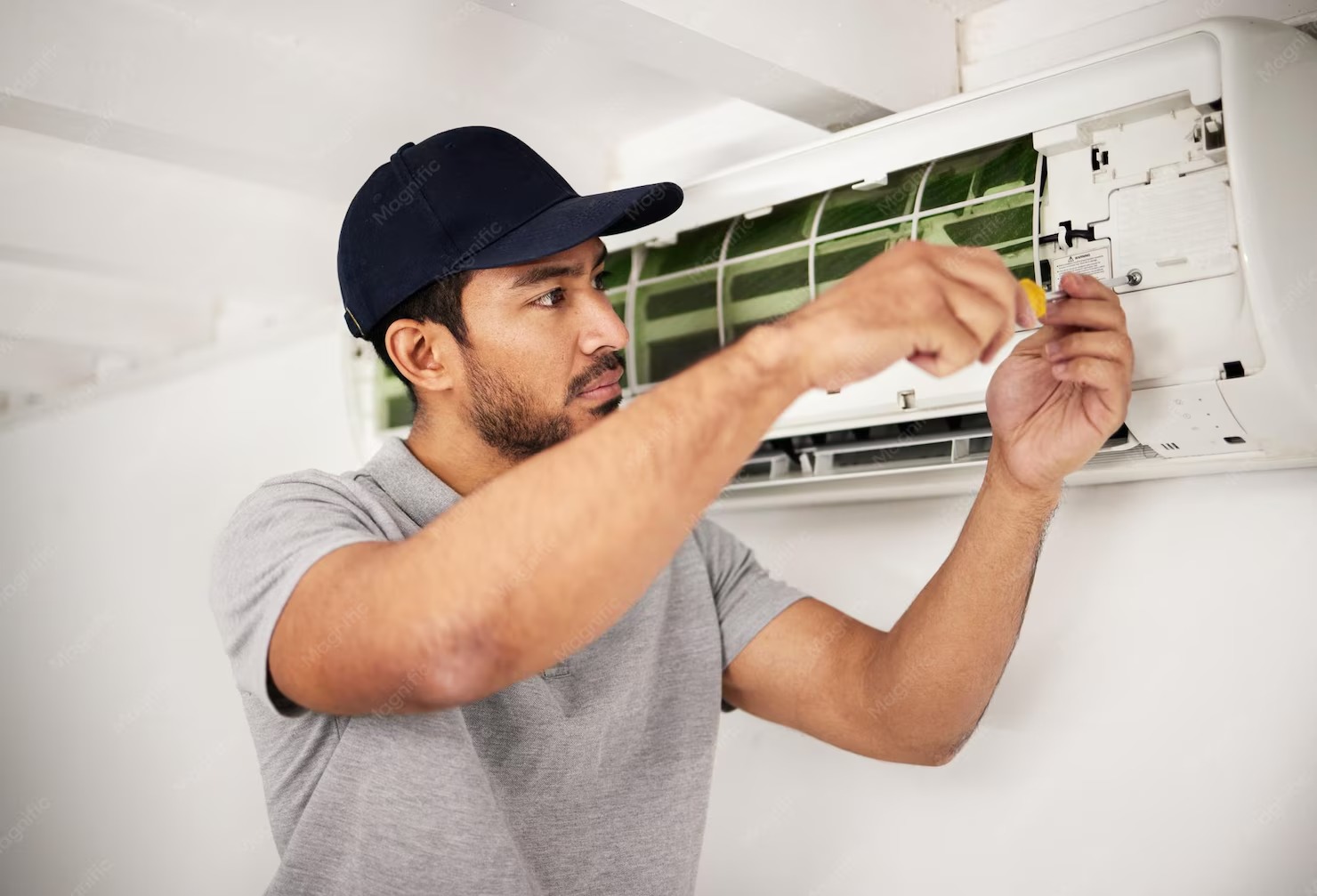
For problems like these, our AC repair team can typically have you back up and running the same day.
Choosing the Right Replacement System
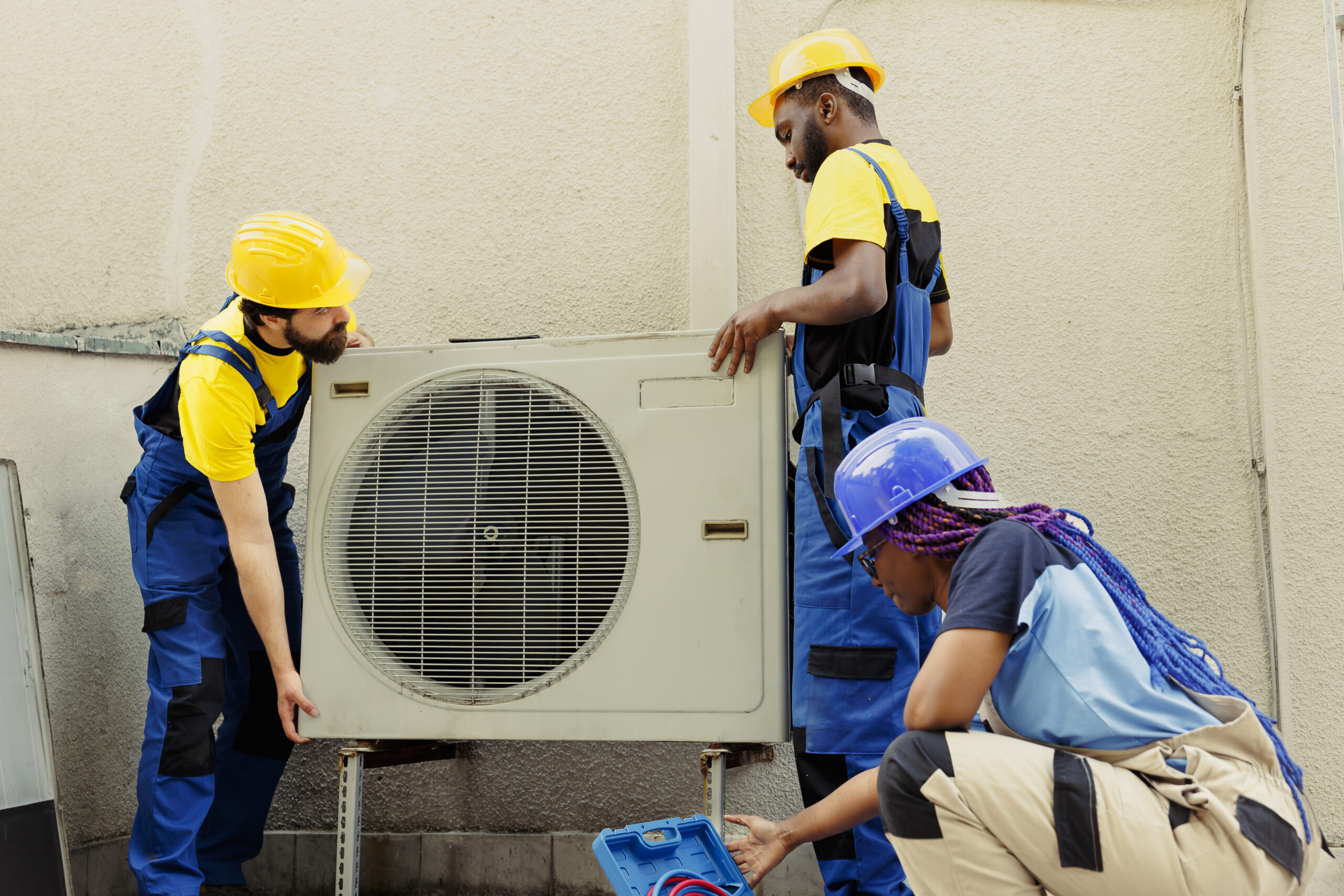
If replacement is the right move, the next step is choosing the right system for your home. Cold Chillin’s AC installation team will assess your home’s square footage, insulation, ceiling height, and ductwork to recommend the properly sized unit. An oversized system short-cycles (turns on and off too frequently), wasting energy and failing to dehumidify properly. An undersized system runs constantly and never fully cools your home.
For Palm Beach County homes, we typically recommend high-efficiency systems with strong humidity management capabilities — because in South Florida, controlling moisture is just as important as controlling temperature.
Our Honest Assessment Every Time
At Cold Chillin Air Conditioning, we won’t push you toward a new system if your current one has life left in it. And we won’t oversell a repair on a system that’s costing you money every month it runs. We give you the full picture — costs, options, long-term outlook — and let you make the call.
Ready to get started? Call Cold Chillin Air Conditioning today at (561) 318-1882 or visit coldchillinairconditioning.com to book your appointment. License CAC 1823036.