How to Lower Your FPL Bill in Boynton Beach (Starting With Your AC)
AC Repair Boynton Beach homeowners trust starts with Cold Chillin Air Conditioning. We provide same-day HVAC repair, installation, and maintenance throughout Palm Beach County.
Quick Tips to Lower Your FPL Bill
If you want to reduce your cooling costs in Boynton Beach, start with these simple steps:
Set your thermostat to 78°F when you’re home.
Replace your air filter every 30–60 days.
Install a smart thermostat.
Keep your outdoor condenser unit clean.
Seal leaking air ducts.
Schedule yearly AC maintenance.
Upgrade an older, inefficient AC system.
This summary increases your chances of appearing in Google’s featured snippets.
Why Your AC Bill Is So High in Florida
Your air conditioner accounts for 50–60% of your total electricity bill in Florida during summer — compared to 30–40% in most northern states. There are two reasons for this.
First, the obvious one: it’s hot. Very hot. For six or more months a year, your AC runs most of the day.
Second, the less-obvious one: humidity. Your AC isn’t just cooling your air — it’s also dehumidifying it. Removing moisture from the air takes energy. The more humid it is outside, the harder your system works even when the temperature looks manageable.
This is why strategies that work in Arizona don’t always work in Boynton Beach. Dry-climate efficiency tips focus on temperature. Florida efficiency tips need to account for moisture too.
7 Things That Actually Lower Your FPL Bill
1. Set the Thermostat to 78°F (Not 72°F) When You’re Home
Every degree you lower your thermostat adds approximately 3% to your cooling bill, according to the U.S. Department of Energy. Going from 78°F to 72°F is a 6-degree difference — that’s roughly 18% more energy for the exact same weather.
78°F feels comfortable in a properly maintained Florida home with ceiling fans running. If your home doesn’t feel comfortable at 78°F, that usually signals an underlying issue with the AC system — not a reason to crank the thermostat lower.
2. Use a Programmable or Smart Thermostat
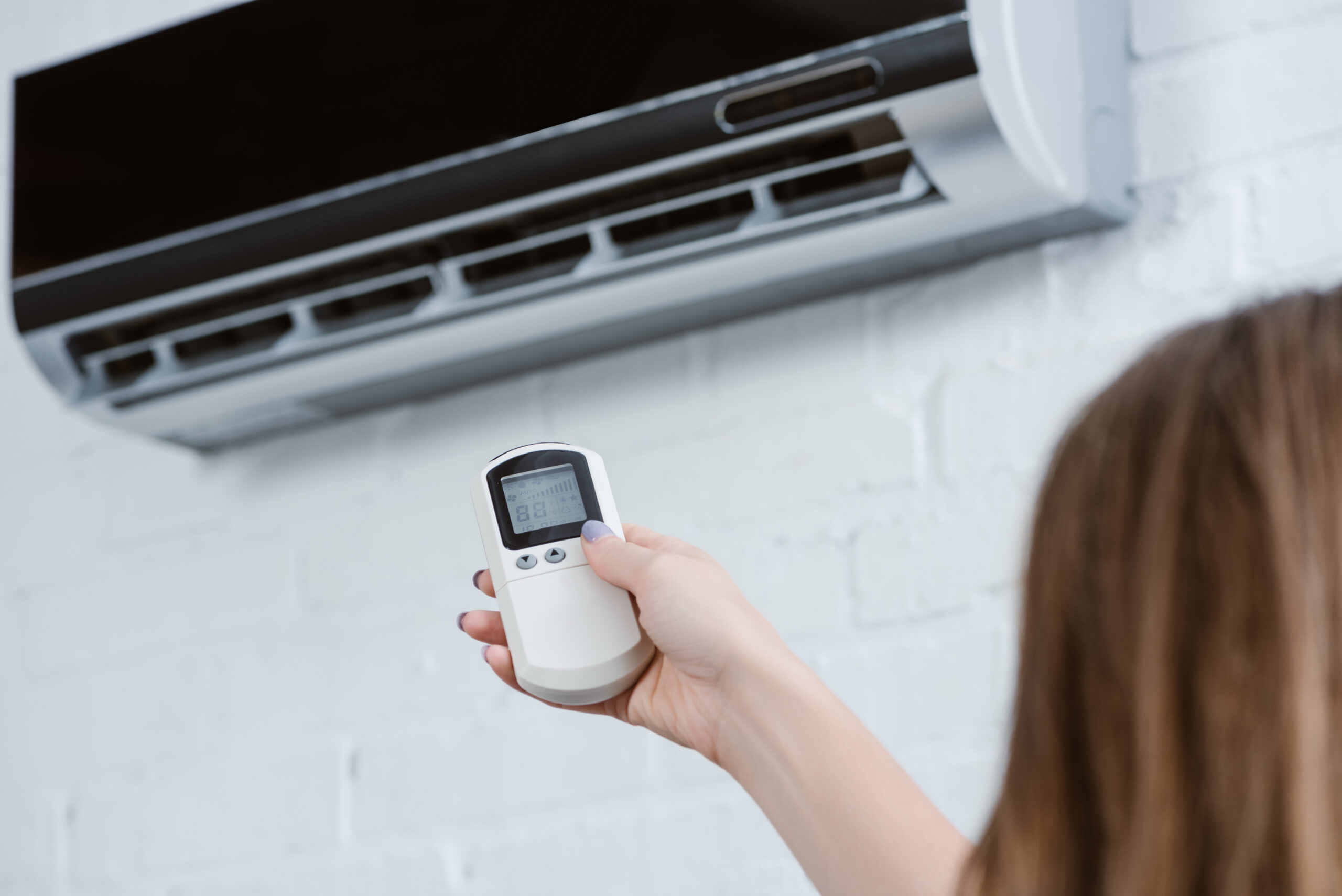
If your home is empty during the day, there’s no reason to cool it to 78°F. Set it to 82–84°F during empty hours and let the system bring it back down before you get home.
A smart thermostat — Ecobee, Nest, or Honeywell Home — learns your schedule, adjusts automatically, and lets you control everything from your phone. Most homeowners see a 10–15% reduction in cooling costs from the thermostat change alone.
FPL tip: Florida Power & Light offers rebates on qualifying smart thermostats through their FPL Home program. Check fplenergy.com/home for current offers before you buy.
3. Change Your Air Filter Every 60 Days (Not Every 90)
A dirty filter restricts airflow. When airflow is restricted, your AC runs longer to move the same amount of cool air. Longer runtime = higher bill.
In Boynton Beach, where systems run almost year-round, 90-day filters should be treated as 60-day filters. If you have pets, drop to 30 days.
A $10 filter replacement prevents extended runtime cycles that cost far more than $10 in electricity.
4. Keep the Outdoor Unit Clear and Clean
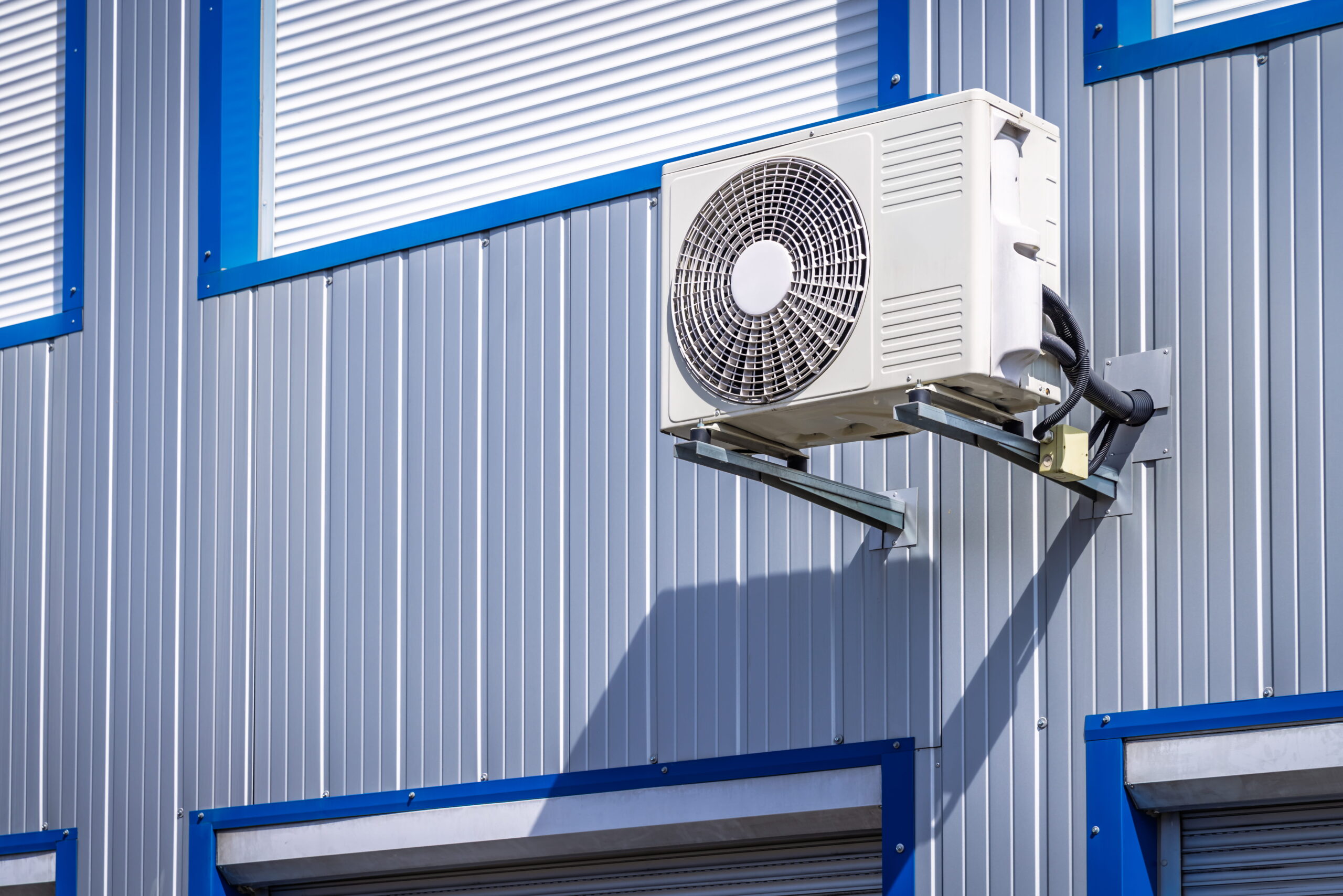
Your outdoor condenser unit dissipates heat to the outside air. If it’s surrounded by overgrown shrubs, sitting in direct sun against a west-facing wall, or caked with debris on the fins — it has to work harder to reject that heat.
What to do:
- Keep at least 2 feet of clear space around all sides of the unit
- Gently rinse the fins with a garden hose once a season (spray from the inside out)
- Trim back any vegetation encroaching on the unit
- If possible, shade the unit with a properly designed cover or strategic landscaping (not so close it blocks airflow)
A clean, well-ventilated outdoor unit can improve efficiency by 5–10%.
5. Seal Duct Leaks
As mentioned above, South Florida homes with attic ductwork can lose 20–30% of cooled air through leaky duct connections. That air goes into your attic — not your living room — but you pay for all of it.
Duct sealing with mastic compound or UL 181-rated tape (not standard duct tape, which fails in heat) can recover a significant portion of that lost efficiency. This is something a qualified HVAC tech can evaluate during a maintenance visit.
6. Schedule Annual Maintenance (It Pays for Itself)
A properly tuned AC system runs more efficiently than a neglected one. During a maintenance visit, a tech will:
- Clean the evaporator and condenser coils (dirty coils reduce efficiency by up to 30%)
- Check and correct refrigerant charge
- Inspect electrical connections and capacitors
- Clear the condensate drain line
- Verify airflow and system operation
The cost of an annual tune-up is typically offset by the energy savings it produces within a few months.
Cold Chillin service agreements include annual maintenance and priority scheduling — see our plans here.
7. Consider a System Upgrade if Your AC Is 10+ Years Old
Older systems simply can’t compete with modern equipment on efficiency. A system installed in 2015 likely runs at 13–16 SEER (the old scale). New systems are rated in SEER2, with most quality units hitting 16–20+ SEER2.
The efficiency difference is real and shows up on your FPL bill every month. If your system is getting old and your energy bills keep climbing, the math on a replacement often pencils out faster than people expect.
FPL rebate note: FPL offers rebates on qualifying high-efficiency AC systems. The current program details are at fplenergy.com — your installing contractor should be able to tell you which equipment qualifies.
What Won’t Lower Your Bill (But Gets Marketed Like It Will)
Closing vents to unused rooms — This is a persistent myth. Closing vents increases static pressure in the duct system and makes your blower motor work harder. It doesn’t save energy in a properly designed system.
Turning the AC off completely during the day — In Florida humidity, this is counterproductive. Your system has to work extremely hard to dehumidify a house that’s been closed up at 88°F for 8 hours. A setback to 82–84°F is far more efficient than a full off-and-on cycle.
Ceiling fans cooling the air — Fans move air across skin to help you feel cooler — they don’t actually lower the air temperature. Turn them off when you leave the room. Running fans in empty rooms wastes electricity.
The Bottom Line
The biggest lever on your FPL bill is how efficiently your AC system operates. That means a clean filter, a clean outdoor unit, a smart thermostat, and a properly maintained system. None of it is complicated — but all of it adds up.
If your bill seems high for the size of your home even after making these changes, that’s often a sign of a system problem. We’re happy to take a look.
Cold Chillin Air Conditioning — Boynton Beach & Palm Beach County. Call 561-318-1882 or schedule online.
FAQ Section (Enable FAQ Schema)
Why is my FPL bill so high during the summer?
Florida’s heat and humidity force your air conditioner to run longer, making cooling the biggest contributor to your monthly electricity bill.
What temperature should I set my thermostat in Florida?
Most energy experts recommend 78°F while you’re home and 82–84°F when you’re away to balance comfort and energy savings.
Does changing my AC filter really save money?
Yes. A clean filter improves airflow, reduces strain on your HVAC system, and helps lower electricity usage.
Can duct leaks increase my electric bill?
Absolutely. Leaky ducts can waste 20–30% of cooled air, forcing your AC to run longer to maintain the desired temperature.
Is replacing an old AC worth it?
If your system is more than 10 years old, upgrading to a high-efficiency unit can significantly reduce your monthly cooling costs while improving comfort.