Why Does My AC Smell Bad? 7 Common Air Conditioner Odors Explained
Why does my AC smell bad? If you’ve noticed an unpleasant odor coming from your air conditioner, you’re not alone. Strange smells are one of the first signs that something isn’t working properly inside your HVAC system. While some odors are harmless and easy to fix, others can indicate serious problems that require immediate attention.
Florida’s warm and humid climate creates the perfect conditions for mold, mildew, and bacteria to grow inside air conditioning systems. Ignoring these odors can reduce indoor air quality, increase energy costs, and even damage your HVAC equipment.
In this guide, we’ll explain the most common air conditioner odors, what causes them, and what you should do to keep your AC running efficiently.
Why Does My AC Smell Bad?
Your air conditioner circulates air throughout your home. If dust, moisture, mold, or electrical issues develop inside the system, those odors are carried through your air ducts and into every room.
The smell itself is often a warning sign that your system needs cleaning, maintenance, or repair.
Identifying the type of odor can help determine the cause.
1. Musty or Moldy Smell
A musty smell is one of the most common complaints from Florida homeowners.
Because Florida has high humidity year-round, moisture can collect inside your evaporator coil, drain pan, or ductwork. Over time, mold and mildew begin to grow, creating a damp, unpleasant odor every time your AC turns on.
How to Fix It
- Replace the air filter.
- Clean the condensate drain line.
- Schedule professional evaporator coil cleaning.
- Consider installing a UV light to reduce mold growth.
Ignoring mold can affect indoor air quality and trigger allergy symptoms.
2. Dirty Sock Smell
If your air conditioner smells like dirty gym socks, bacteria may be growing on the evaporator coil.
This problem is commonly known as Dirty Sock Syndrome.
As moisture builds on the coil, bacteria multiply and produce unpleasant odors that spread throughout your home.
Solution
A professional coil cleaning usually removes the bacteria and eliminates the smell.
Regular AC maintenance helps prevent this issue from returning.
3. Burning Smell
A burning smell should never be ignored.
It may indicate:
- Overheated electrical wiring
- A failing blower motor
- Burning insulation
- Worn electrical components
If the smell continues for more than a few minutes, turn off your air conditioner immediately and contact an HVAC professional.
Electrical problems can become serious safety hazards if left untreated.
4. Rotten Egg Smell
A rotten egg odor usually isn’t caused by the air conditioner itself.
Instead, it may indicate:
- A natural gas leak
- A dead animal inside ductwork
- Sewer gas entering the home
If you suspect a gas leak, leave your home immediately and contact your gas utility company.
Never continue operating your HVAC system if you smell natural gas.
5. Chemical or Sweet Smell
A chemical odor may indicate a refrigerant leak.
Although modern refrigerants are generally odorless, leaks can sometimes produce a faint sweet or chemical smell.
Other possible causes include:
- Damaged insulation
- Cleaning chemicals
- Plastic components overheating
A refrigerant leak reduces cooling performance and should always be repaired by a licensed HVAC technician.
6. Smoke Smell
If your home recently experienced smoke from cooking, candles, or a fireplace, your air conditioner may circulate those odors throughout the house.
A dirty air filter can trap smoke particles and continue releasing the smell long after the source is gone.
Replacing the filter and cleaning your ductwork often solves the problem.
7. Trash or Garbage Smell
A strong garbage smell may indicate organic material trapped inside the system.
Possible causes include:
- Dead insects
- Small rodents
- Leaves inside the outdoor unit
- Dirty condensate drain
Professional cleaning can remove debris and restore fresh airflow.
How to Prevent AC Odors
Preventing unpleasant smells is much easier than dealing with major HVAC repairs.
Follow these simple maintenance tips:
- Replace your air filter every 30 to 60 days.
- Schedule annual AC maintenance.
- Keep the condensate drain clean.
- Maintain proper indoor humidity levels.
- Keep the outdoor unit free of leaves and debris.
- Clean supply and return vents regularly.
- Have your ductwork inspected if odors persist.
Routine maintenance helps improve both indoor air quality and system efficiency.
When Should You Call an HVAC Professional?
Some odors disappear after replacing the air filter or cleaning around the unit. However, persistent smells usually require professional attention.
Contact an HVAC technician if you notice:
- Burning odors
- Chemical smells
- Mold odors that keep returning
- Weak airflow
- Poor cooling performance
- Water leaks around the indoor unit
- Unusual noises from the system
Early repairs can prevent more expensive damage and keep your home comfortable.
Why Regular Maintenance Matters
Routine maintenance is the best way to prevent unpleasant odors and costly repairs.
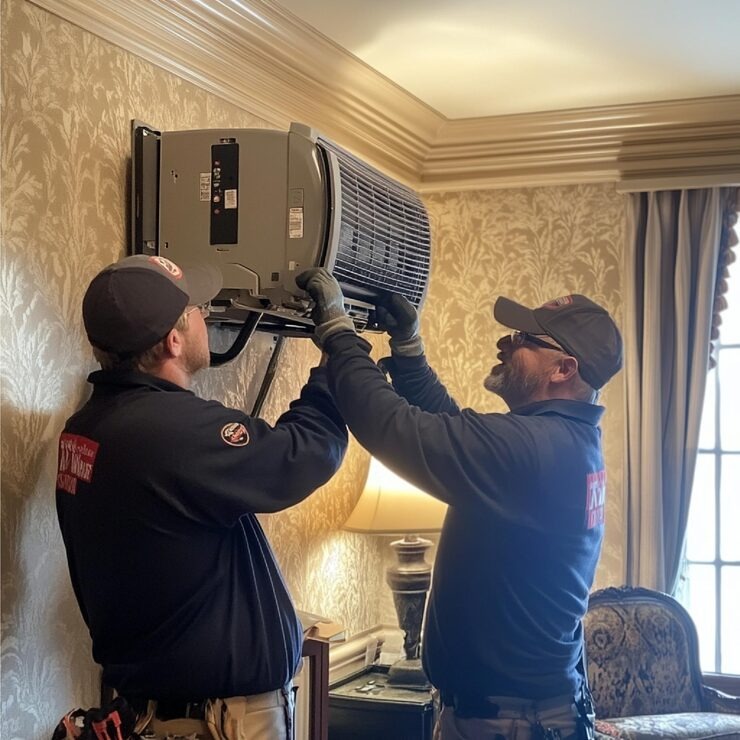
During a professional AC tune-up, technicians inspect:
- Air filters
- Evaporator coils
- Condensate drain lines
- Blower motor
- Electrical connections
- Refrigerant levels
- Outdoor condenser
Keeping these components clean allows your system to operate efficiently while improving indoor air quality.
Final Thoughts
If you’ve been asking, “Why does my AC smell bad?”, don’t ignore the warning signs. Strange odors often indicate mold, bacteria, electrical problems, clogged drain lines, or other issues that can affect your home’s comfort and your HVAC system’s performance.
Replacing your air filter, scheduling routine maintenance, and addressing small problems early can help prevent expensive repairs and keep your air conditioner running efficiently throughout Florida’s hot and humid summers.
If your air conditioner has an unusual smell or isn’t cooling properly, Cold Chillin Air Conditioning is ready to help. Our experienced technicians provide professional AC repair, maintenance, and installation services throughout Palm Beach County. Contact us today to schedule your service and enjoy cleaner, fresher indoor