Introduction
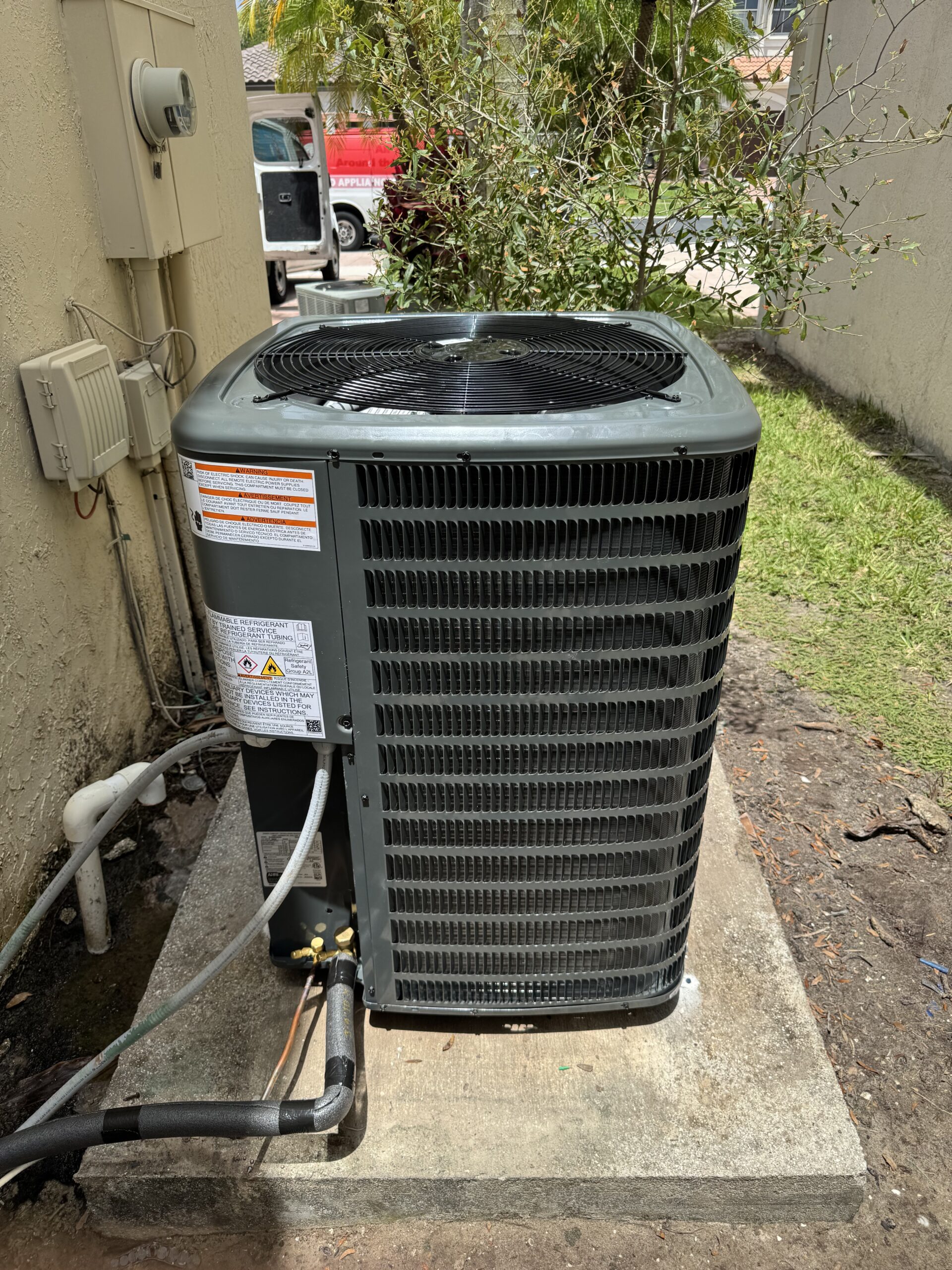
The HVAC industry is evolving rapidly with advanced technologies designed to improve energy efficiency, indoor comfort, and system reliability. Modern HVAC systems are no longer simple cooling machines — they are intelligent climate control systems.
Modern HVAC Technology helps homeowners reduce energy consumption while maintaining consistent indoor comfort throughout the year.
1. Smart Thermostat Integration
Smart thermostats allow homeowners to control HVAC systems with precision.
Key benefits:
- Remote temperature control via mobile apps
- Automated scheduling based on usage patterns
- Energy consumption tracking
This results in lower utility bills and improved comfort.
2. Variable Speed Compressor Technology
Traditional HVAC systems operate in full on/off cycles. Modern systems adjust speed based on cooling demand.
Advantages:
- More stable indoor temperature
- Reduced energy consumption
- Less wear on components
- Quieter operation
3. Advanced Air Filtration Systems
Modern HVAC systems include multi-layer filtration designed to improve indoor air quality.
They help remove:
- Dust particles
- Allergens
- Bacteria
- Airborne pollutants
This creates a healthier indoor environment.
4. Eco-Friendly Refrigerants
New HVAC systems use environmentally responsible refrigerants that improve efficiency while reducing environmental impact.
Benefits:
- Lower carbon footprint
- Improved energy efficiency
- Compliance with modern environmental standards
One of the biggest advantages of Modern HVAC Technology is its ability to automatically adjust system performance based on your home’s cooling needs.
5. Predictive Maintenance Systems
Advanced HVAC units can now detect performance issues before breakdowns occur.
They monitor:
- Pressure changes
- Temperature fluctuations
- System inefficiencies
This allows early repairs and prevents costly failures.
Investing in Modern HVAC Technology not only improves comfort but also reduces long-term operating costs and extends the lifespan of your HVAC system.
Conclusion
Modern HVAC Technology is changing the future of home comfort by combining smart controls, energy-efficient equipment, and predictive maintenance. Whether you’re upgrading your current system or installing a new one, choosing modern HVAC solutions can improve indoor air quality, lower energy bills, and provide reliable comfort for years to come.
## Frequently Asked Questions
### What is modern HVAC technology?
Modern HVAC technology includes smart thermostats, variable-speed compressors, advanced air filtration, eco-friendly refrigerants, and predictive maintenance features that improve comfort and energy efficiency.
Do smart HVAC systems save money?
Yes. Smart HVAC systems optimize heating and cooling schedules, reducing energy consumption and lowering monthly utility bills.
What are variable-speed HVAC systems?
Variable-speed HVAC systems automatically adjust their operating speed based on your home’s heating or cooling needs, providing better comfort and efficiency than traditional single-speed systems.
Are modern HVAC systems environmentally friendly?
Yes. Many new systems use eco-friendly refrigerants, energy-efficient components, and smart controls that reduce energy use and environmental impact.
Should I upgrade to a modern HVAC system?
If your current HVAC system is more than 10–15 years old or requires frequent repairs, upgrading to modern HVAC technology can improve efficiency, reduce maintenance costs, and enhance indoor comfort.